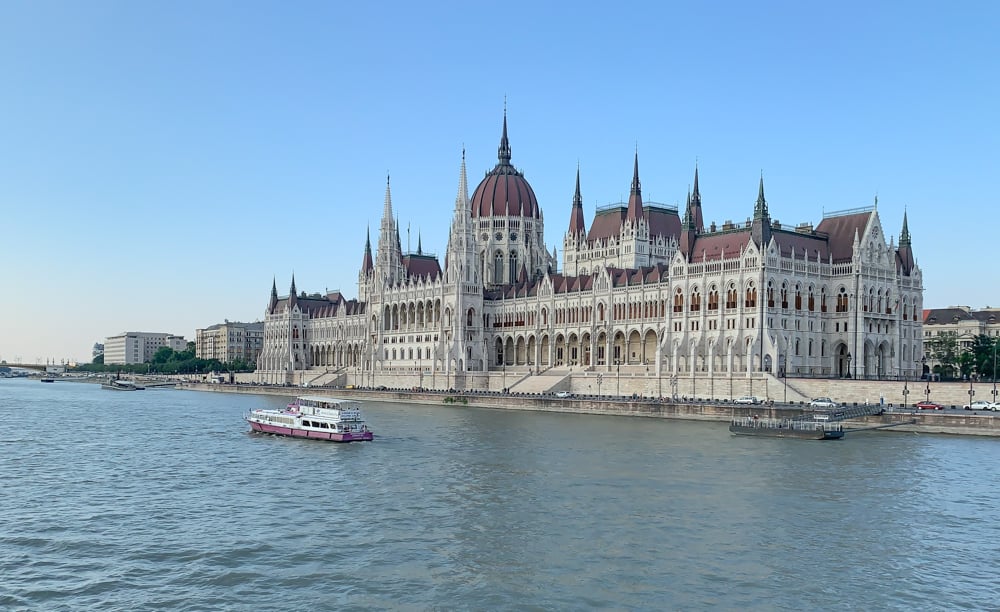
If the Loire Valley is on your someday list, I understand completely. This is the valley of Chambord and Chenonceau and Villandry, of vineyards and hundreds of châteaux scattered across a couple of hours of countryside. It definitely belongs on a travel bucket list and it has certainly been on mine.
Which is why the question comes up in almost every river cruise conversation I have. Can you cruise the Loire?
The answer is yes, but only one cruise line does it, and there is a good reason for that. The Loire is the last great wild river in France, undammed and largely unmanaged, which means it is shallow, full of shifting sandbanks, and tidal at its western end. Conventional river cruise ships, the kind that run the Rhine and the Danube, simply cannot operate on it. One company, CroisiEurope, built a boat that could! That is the entire reason this cruise exists.
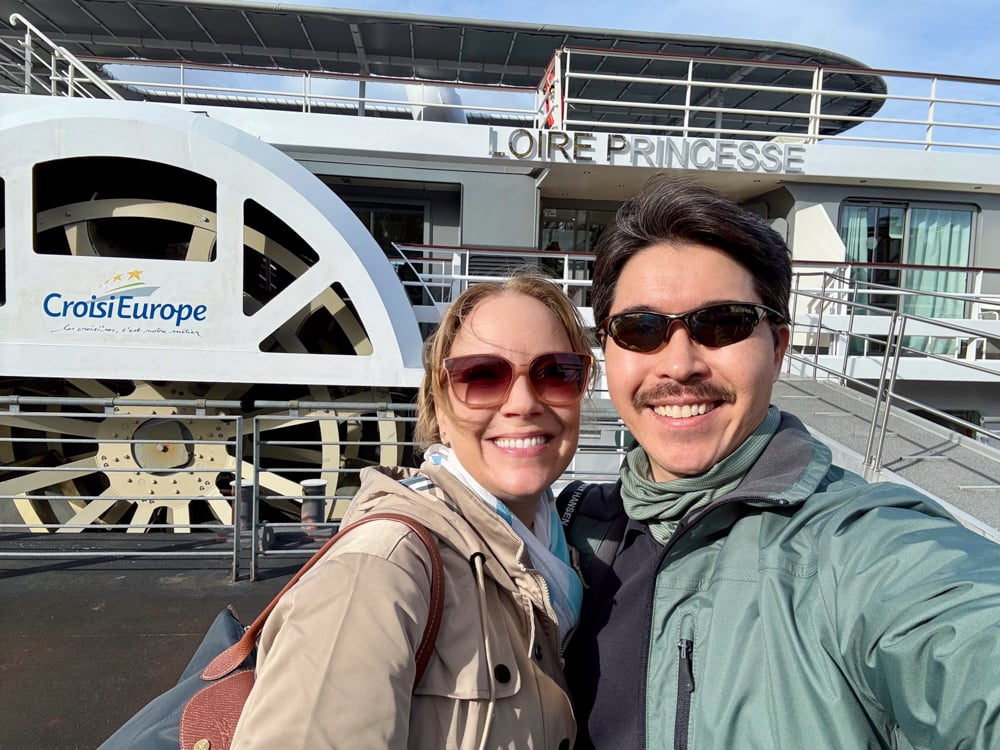
Pete and I sailed it, beginning with a couple of days in Nantes (which we loved!), but I came home with complicated feelings about the whole trip.
So my CroisiEurope Loire river cruise review doesn’t land on a simple yes or no. There are things this line does that nobody else in the world does. There were afternoons on this trip I would go back for tomorrow. There is also a structural problem with the premise that I do not think any amount of good service can fix, and it changed my mind about how you should see the Loire Valley.
Let me walk you through all of it: what impressed me, what did not, what I would do differently, and who this cruise is actually right for.
A note on how we traveled: Pete and I sailed as part of a Society of American Travel Writers event held aboard the ship, and we booked at a discounted rate. This was not a hosted or comped trip, and nobody at CroisiEurope has any say over what I write here. A few of our excursions were included as part of the group arrangement, and I have flagged below which ones you would normally pay extra for.
First, What CroisiEurope Genuinely Deserves Credit For
The Loire is often called the last wild river in France, and that is not marketing language. It is shallow, sandy, and its water levels swing with the tides and the weather. For most of modern river cruising history, that made it simply undoable. The conventional ships that sail the Rhine and the Danube cannot operate in water that unpredictable. CroisiEurope built a ship for it anyway.
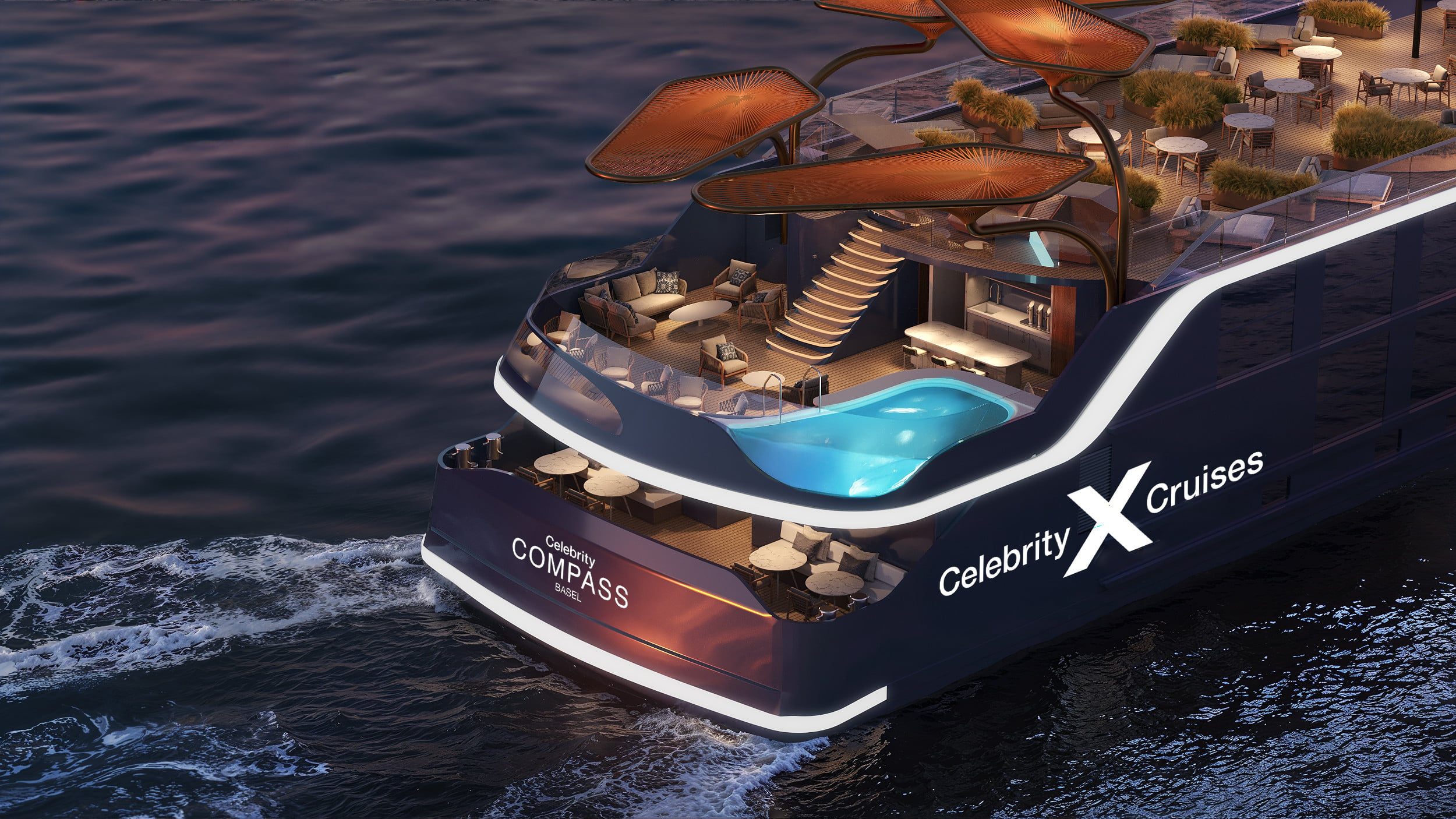
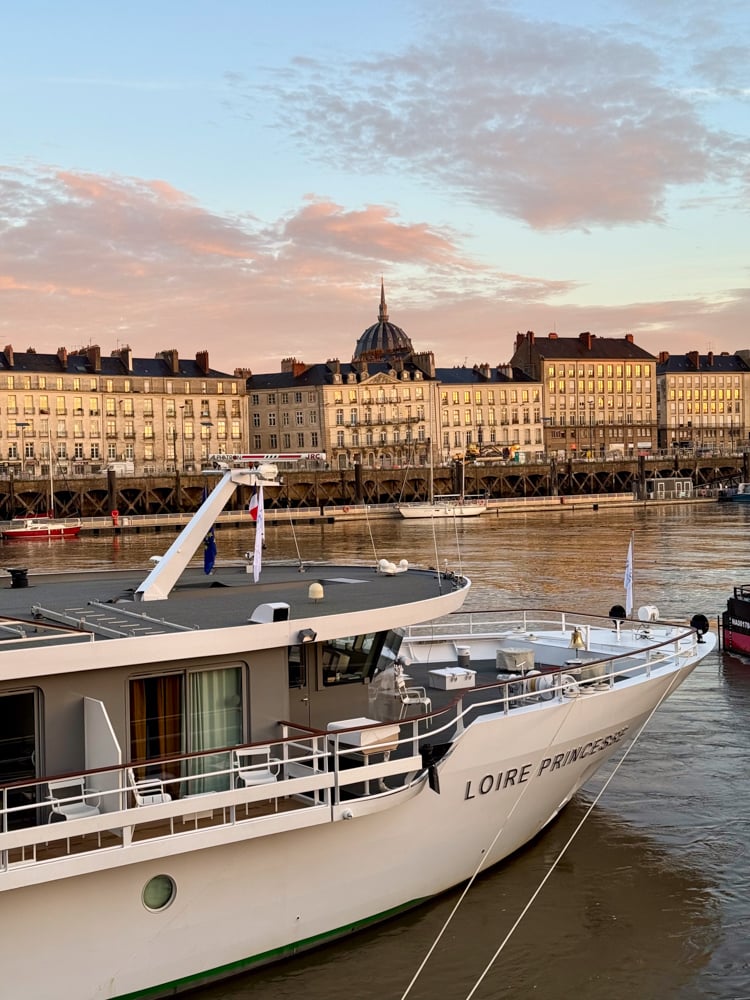
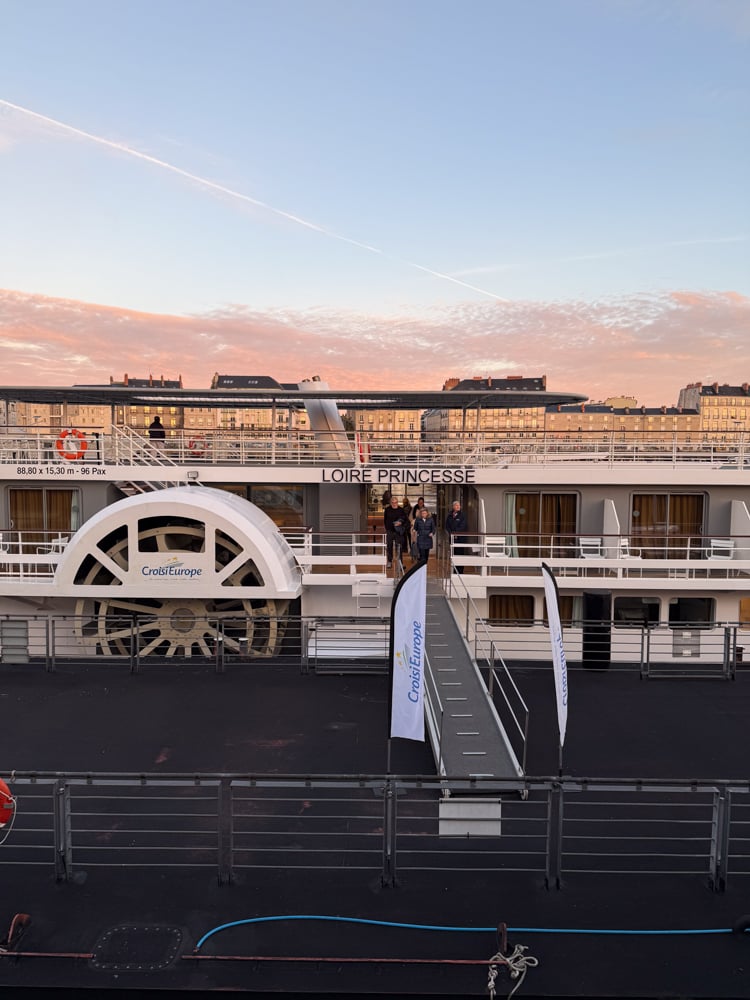
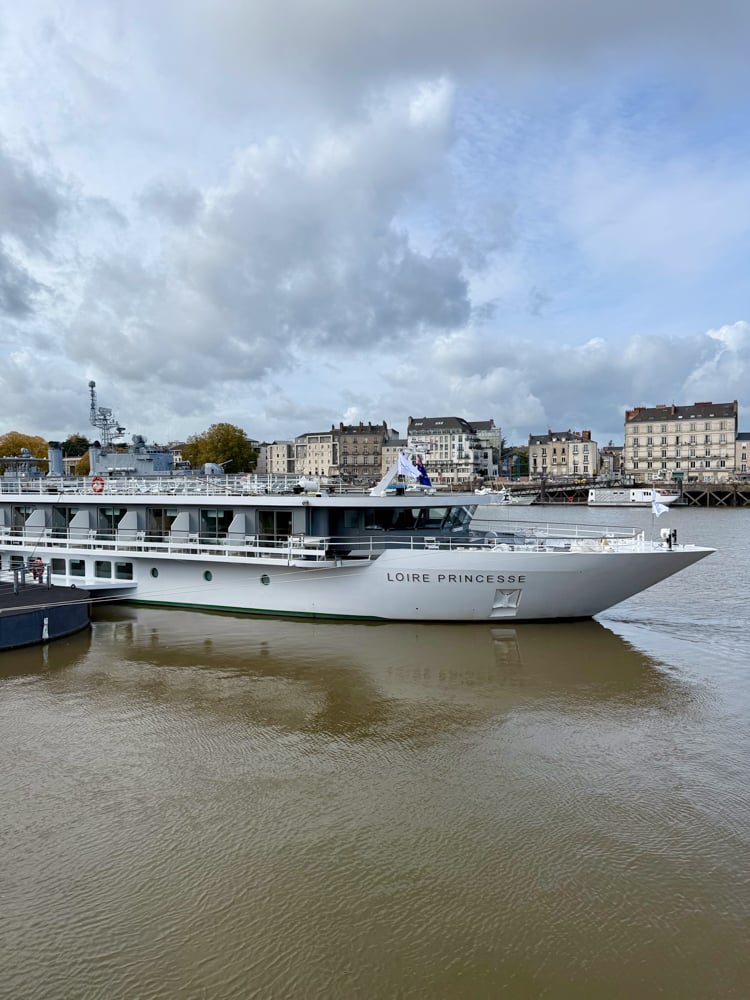
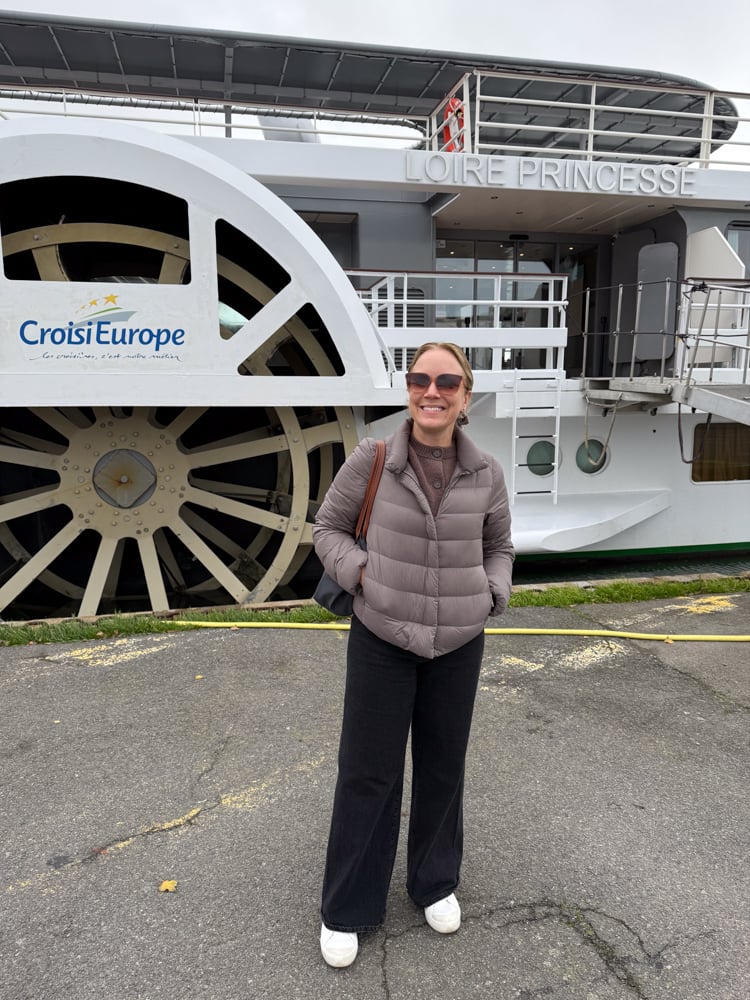
The MS Loire Princesse launched in 2015 and is driven by side paddle wheels rather than underwater propellers, which lets the ship operate in water as shallow as about three feet. It was built in Saint-Nazaire, the shipyard at the mouth of the Loire, which is a lovely detail once you realize you visit Saint-Nazaire on this itinerary. The ship carries up to 96 passengers in 48 cabins, so it is genuinely small, closer to a hotel barge than to the 190-passenger river cruise ships most people picture.
And this ship is the only one! No other cruise line operates an overnight river cruise ship on the Loire. There are small hotel barges working the canals of the upper Loire, but that is a different experience entirely, closer to a floating bed and breakfast than a cruise. So if you want to sail the Loire on a ship, this is your only option.
Nantes Is a Wonderful Place to Start
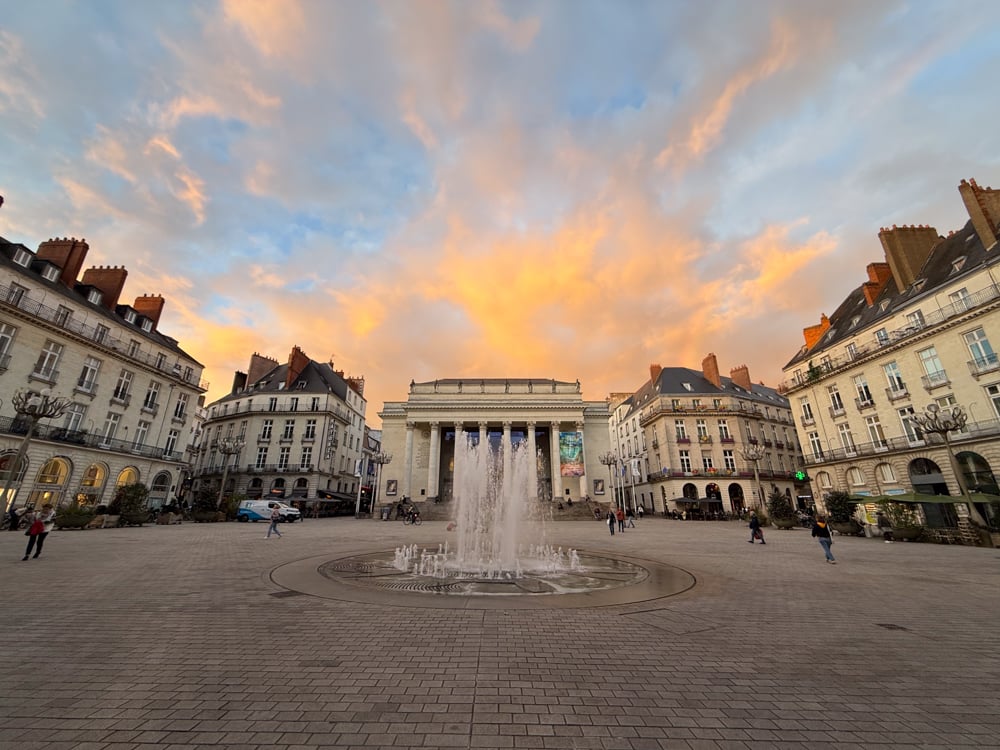
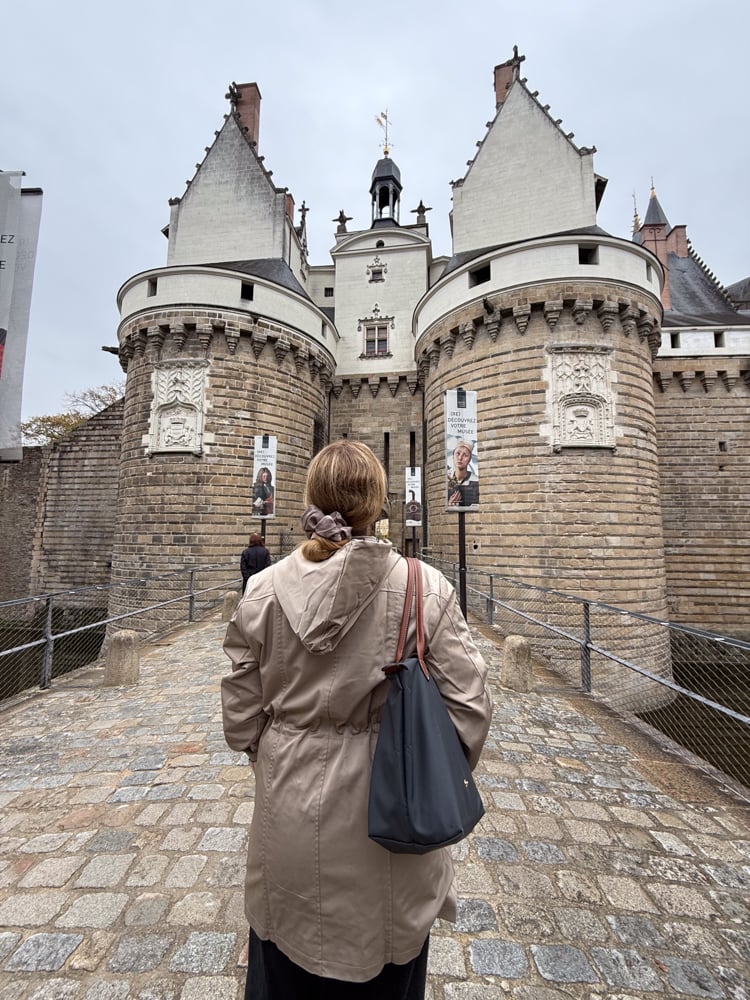
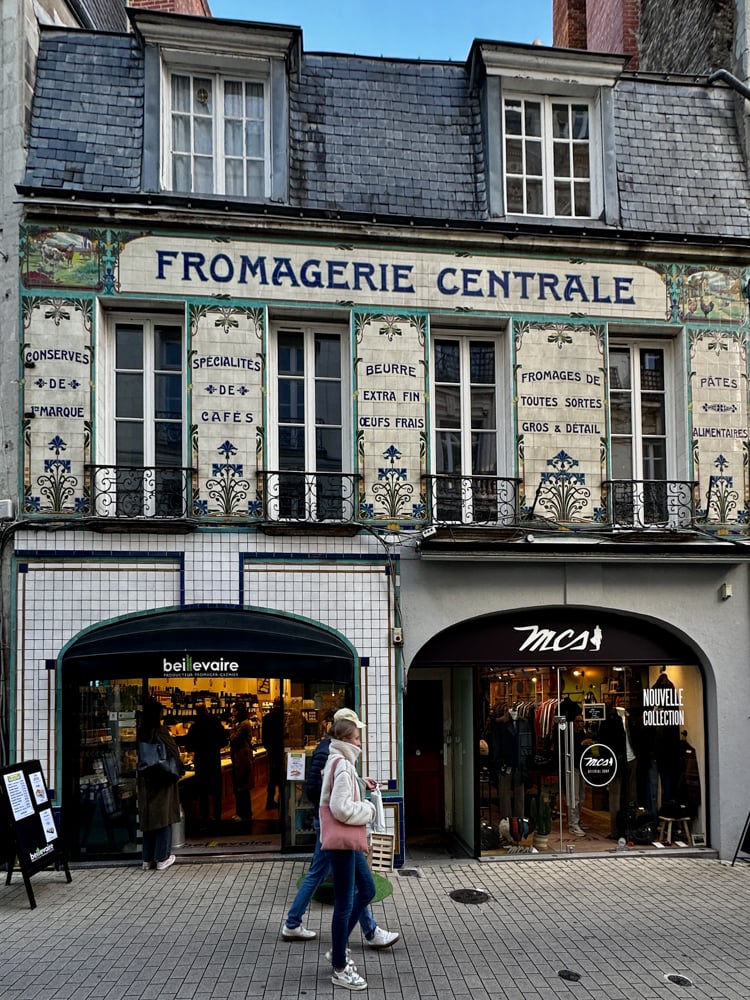
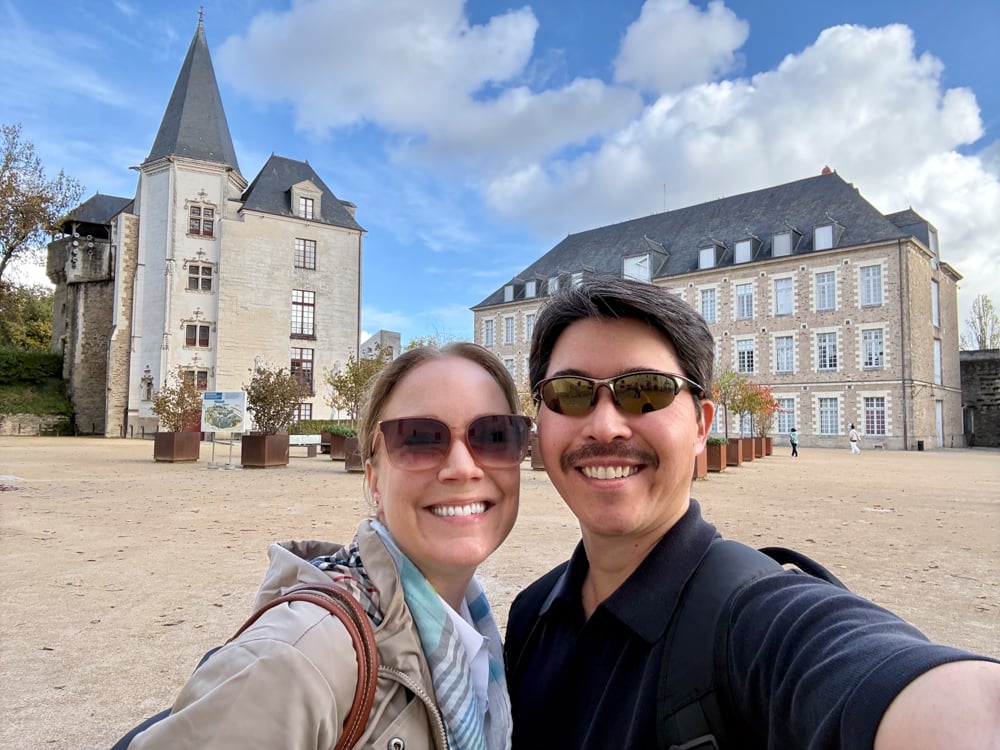
We flew in a couple of days early and stayed in Nantes, which I would recommend to anyone doing this itinerary regardless of how you feel about the rest of this review. It is a city I love, full of Jules Verne strangeness, good food, and a walkability that makes a long weekend feel easy. I wrote up my favorite things to do there in Best Things To Do In Nantes if you want more details about traveling there.
Now the Honest Part: What Did Not Work
This is the longest section of the review, and I want to say upfront that it is not because the trip was a disaster. We did have a good time. But I want to share this because these are the specific things I would want somebody to tell me before I booked this cruise. And almost all of them are structural rather than the fault of any one crew member on any one night. They are also what led me to the recommendation I make at the end of this post. Here they are, roughly in order of how much they shaped the week.
1. The Ship Feels Much Older Than It Is
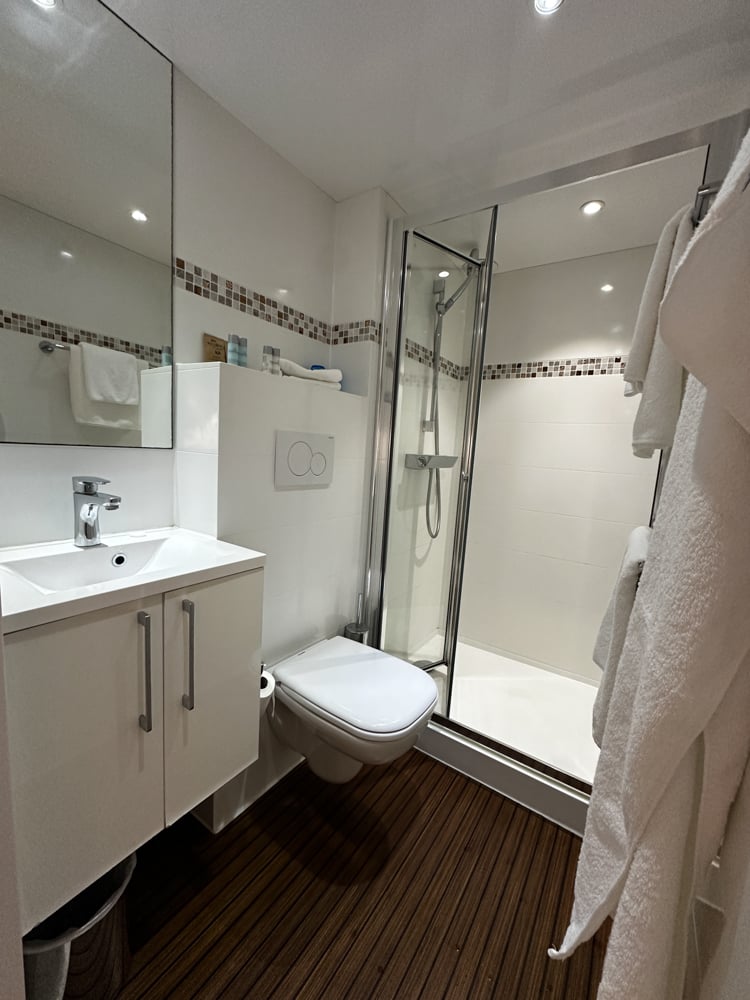
This surprised me when I looked it up afterward. The Loire Princesse is only about a decade old. But she feels older than that, and I think it is a styling problem rather than an age problem. The bathroom and the carpets have clearly been refreshed at some point and look new-ish. But the finishes, the color palette, the layout logic, feels like a much earlier era.
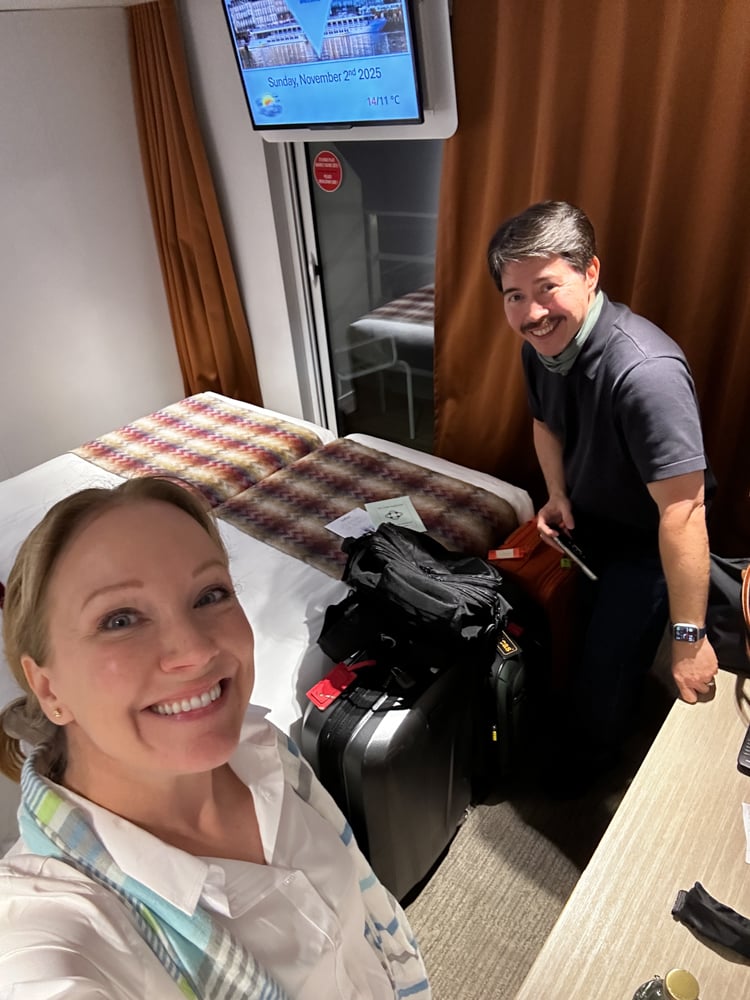
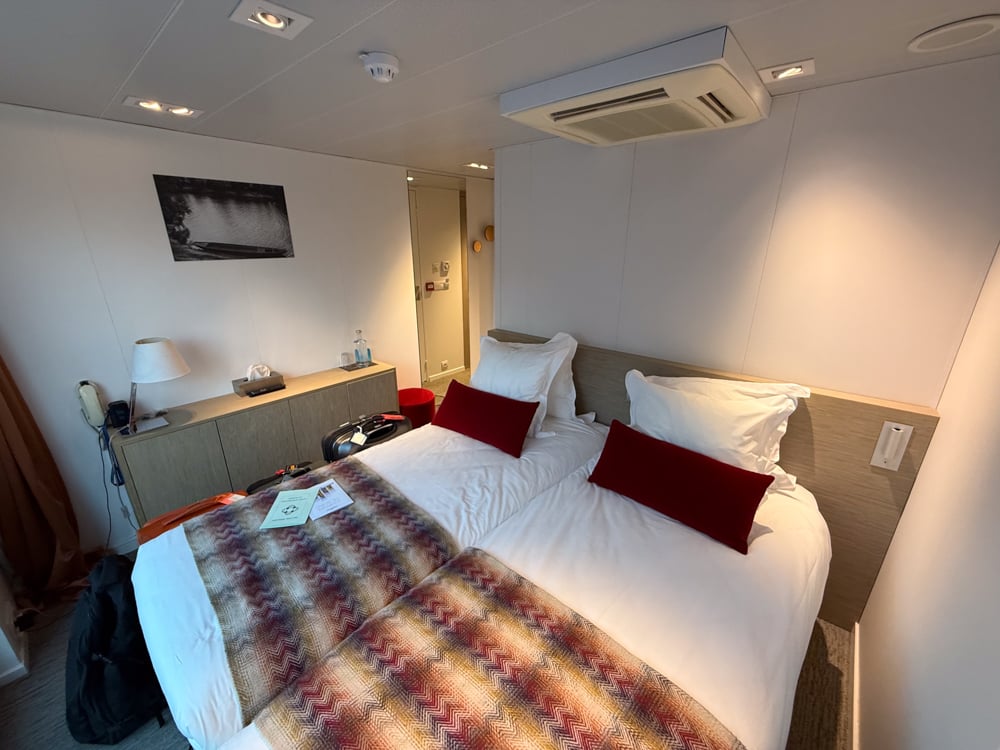
The cabins are 160 square feet. For comparison, a standard veranda stateroom on Viking runs closer to 205. That 45 square foot difference does not sound like much on paper, but it makes an enormous difference in person.
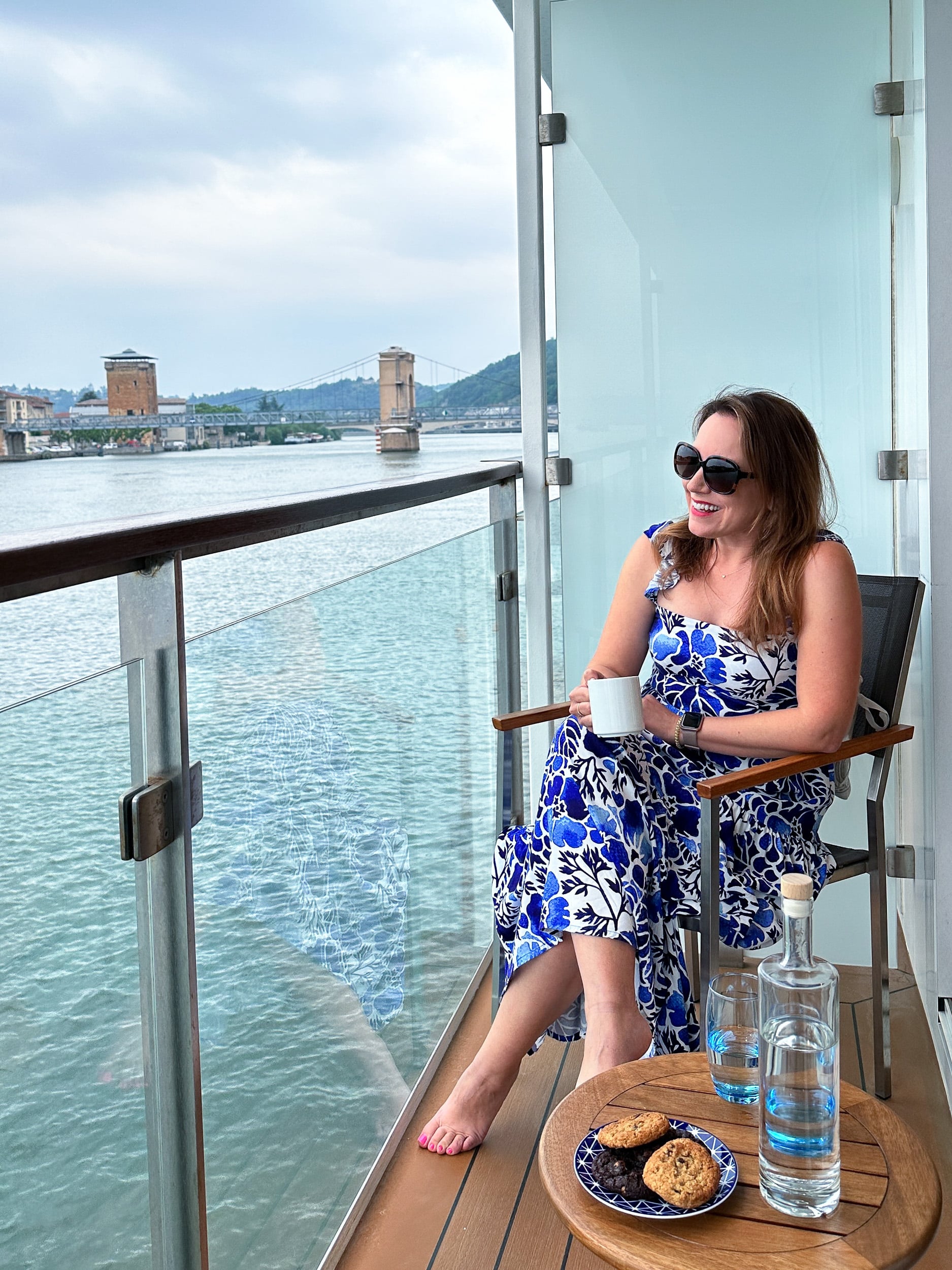
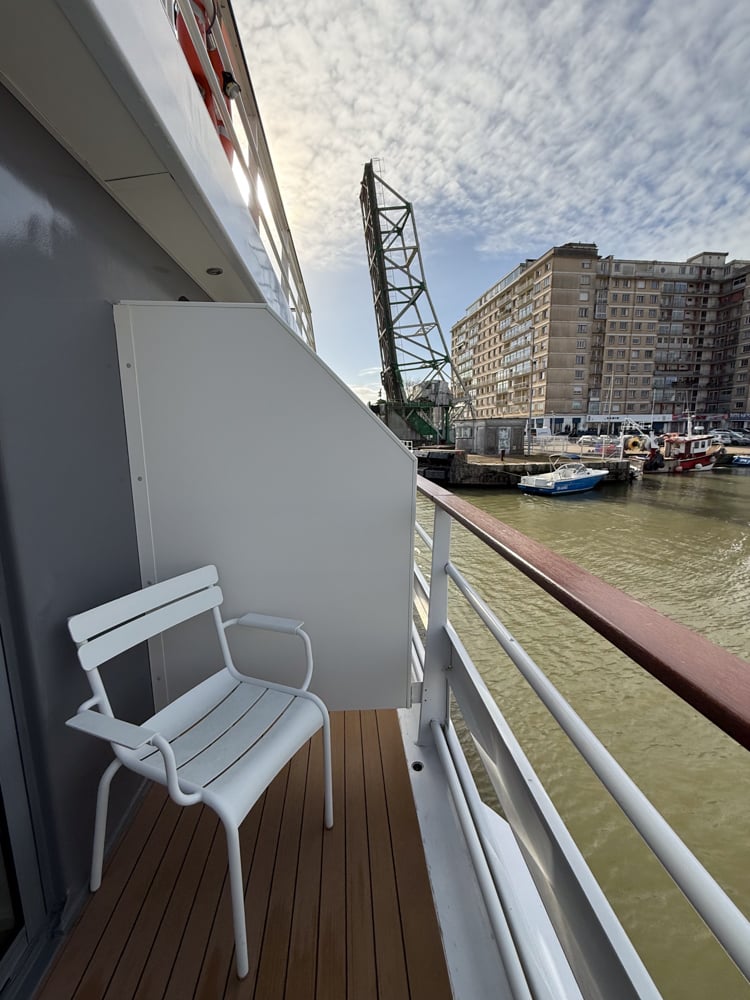
We were on the upper deck with a walk-out balcony, which is the better category on this ship, and there was still no real space to walk around the bed. In order to open the balcony door, you had to kind of side step sideways and sit on the bed. There was not a lot of room to stash your things, and getting the suitcase under the bed was a struggle.
2. There Is Not Much Ship To Explore
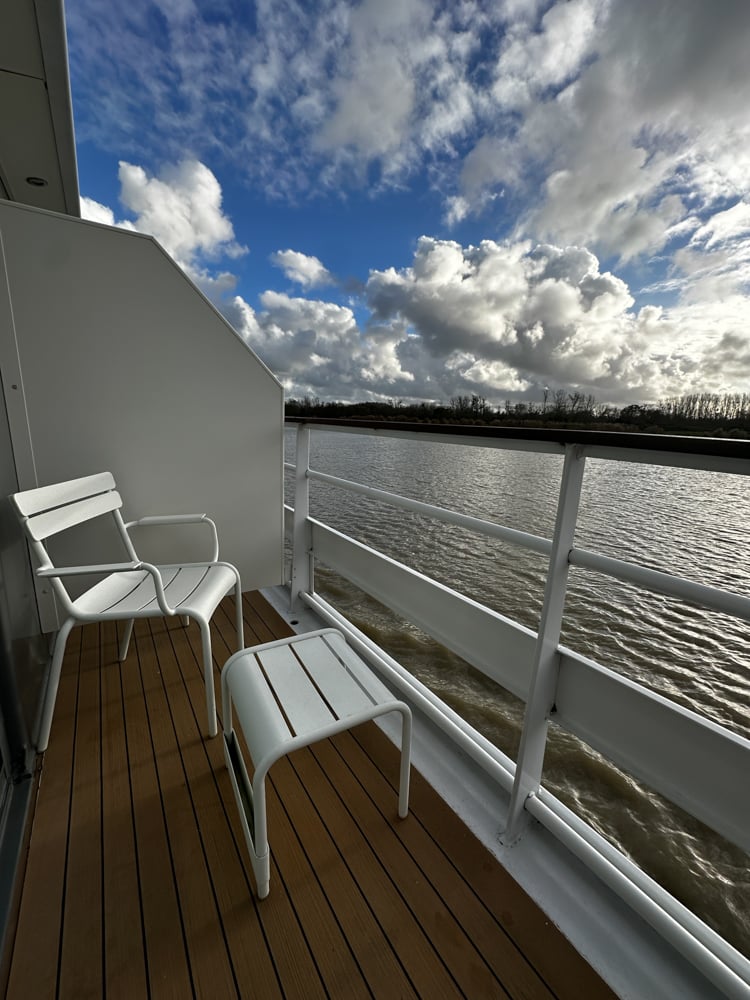
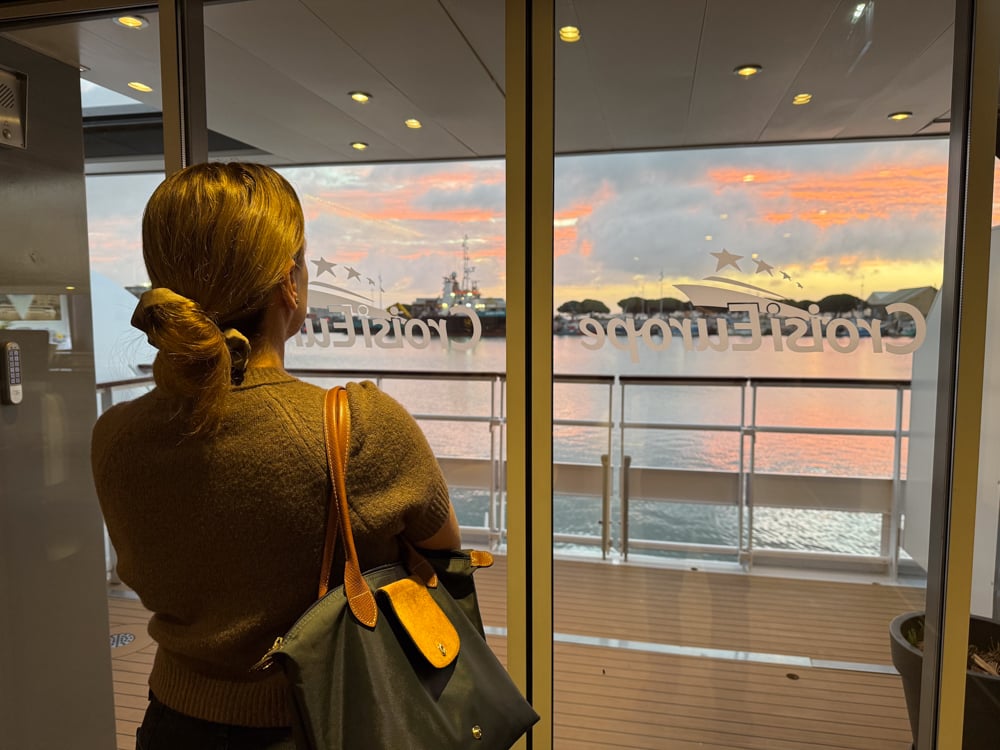
The ship has one lounge with a bar, one restaurant, and a sun deck. The lobby is small, and a corner of it is taken up by a backlit glass case of souvenirs that feels like a holdover from an earlier era. We did have a balcony in our cabin, which was nice and would be lovely in warmer weather, though see the section below on how little we actually sailed. We were there in November, which meant the sun deck was not a realistic option for most of the day, and that left one room to gather in.
Most river ships have a single main lounge, so that part is not unusual. What they usually also have is somewhere else to drift to. A covered terrace at the bow, a library nook, a coffee station, a quiet corner at the stern that is not the same room where the evening entertainment is setting up. On the MS Loire Princesse there is none of that. On a five-day sailing it is manageable, but it is worth knowing before you book.
And here is the thing I kept reminding myself, the ship is small because it has to be small to work this river. That is completely a fair trade when you are moving. But when you are docked in the same city for most of the week, you are living with all of the constraints and none of the reason for them.
3. Boarding Was Odd
Boarding is published for 6:00 p.m. on day one, which makes it a little tricky when having to check out of your hotel by noon. Even if you were flying in the first day of your cruise, you’d likely get there well before 6:00 p.m. and need a place to stash your stuff. We were told we could bring our luggage to the ship early if needed, and given a scheduled time to drop it by. So after having some lunch and extending our luggage storage at a hotel for as long as we were able, we arrived at the ship around 3:00pm. But the process was odd in ways that had nothing to do with timing.
We were able to drop our luggage, but no one checked our passport, booking name, or cabin number. It felt weird to just leave our luggage there without showing an ID. When we came back later we were directed to the bar and offered water, and that was it. It was not until we returned to the ship much later in the evening after an event that anyone asked for our boarding pass and we could finally get into the cabin.
It is possible some of this was because we were a group that booked the whole ship. But the lack of any identity check at luggage drop is an unusual standard, especially when they’re set to deliver your bags straight to a cabin. Perhaps the smaller passenger size made it feasible to just read luggage tags to figure out which suitcase goes where. But for security reasons, I really wish they were checking an ID when accepting luggage.
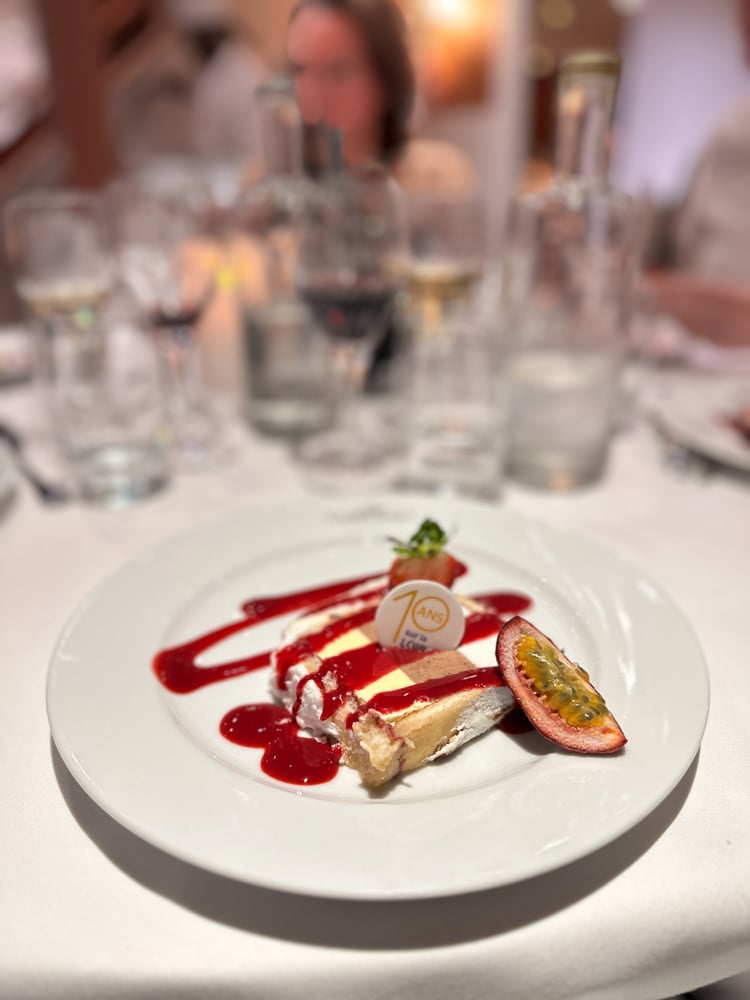
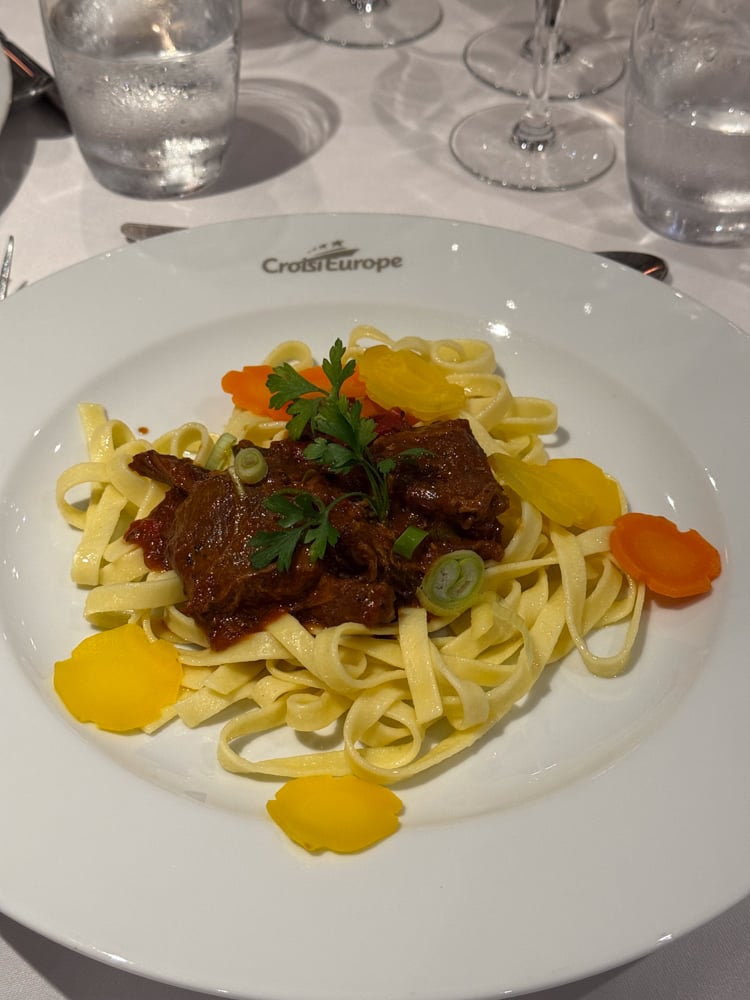
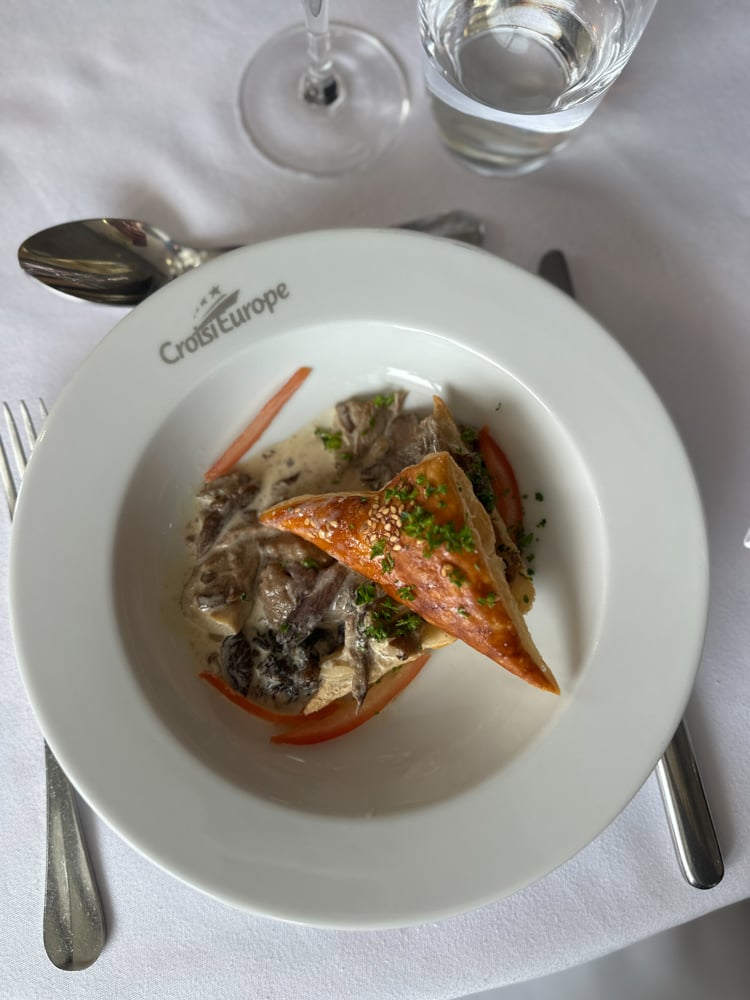
4. Dining Is One Restaurant, One Seating, One Menu
The food was traditional French and it was fine. But the structure is worth understanding clearly: there is a single dining room, a single seating time, and a set menu. If flexible dining matters to you, this is a significant difference from the river cruise lines you may be comparing against.
And there was one moment I have to include, because I would want to know about it if I were the reader.
We had told the ship about Pete’s shellfish allergy. A course arrived at the table with shrimp visibly on the plate. We caught it, sent it back, and he skipped that course. No harm done, and I want to be fair about that. But it was only caught because the shrimp was sitting there in plain sight. Had it been in a sauce or a stock, this would be a very different paragraph.
If you have a serious food allergy and you sail this line, put it in writing at the time of booking, bring it up again at embarkation, and confirm with the dining staff before every single service. I would give that advice on any ship, but I would give it emphatically on this one.
5. The Real Problem: We Barely Sailed
This is the one that changed my mind about the whole itinerary. The published route for this cruise, called The Loire Valley, a Royal Legacy, runs Nantes to Saint-Nazaire, back to Nantes, then upriver to Ancenis, with the full-day château excursion departing from there before returning to Nantes.
We never made it to Ancenis. We sailed to Saint-Nazaire and back to Nantes was where the ship stayed docked.
The itinerary fine print states that the Ancenis stopover may be replaced by Nantes, that the schedule varies with the tides, and variations in water levels are anticipated and some stops may be cancelled depending on navigation conditions. That is a remarkably honest disclosure buried in a small footnote, and it is exactly what happened to us.
The château day, which should have been a manageable drive from Ancenis, became a bus day out of Nantes. Roughly three hours each way, so six hours on a motorcoach to see two châteaux.
The entire promise of river cruising is that you go to sleep in one place and wake up in another, and the transportation happens while you are sleeping (or enjoying a great view with a glass of wine). What we got instead was river docking. We stayed put and were bussed to everything. And because of that, if you want to visit the Loire River, I’d recommend planning a road trip and staying in hotels instead.
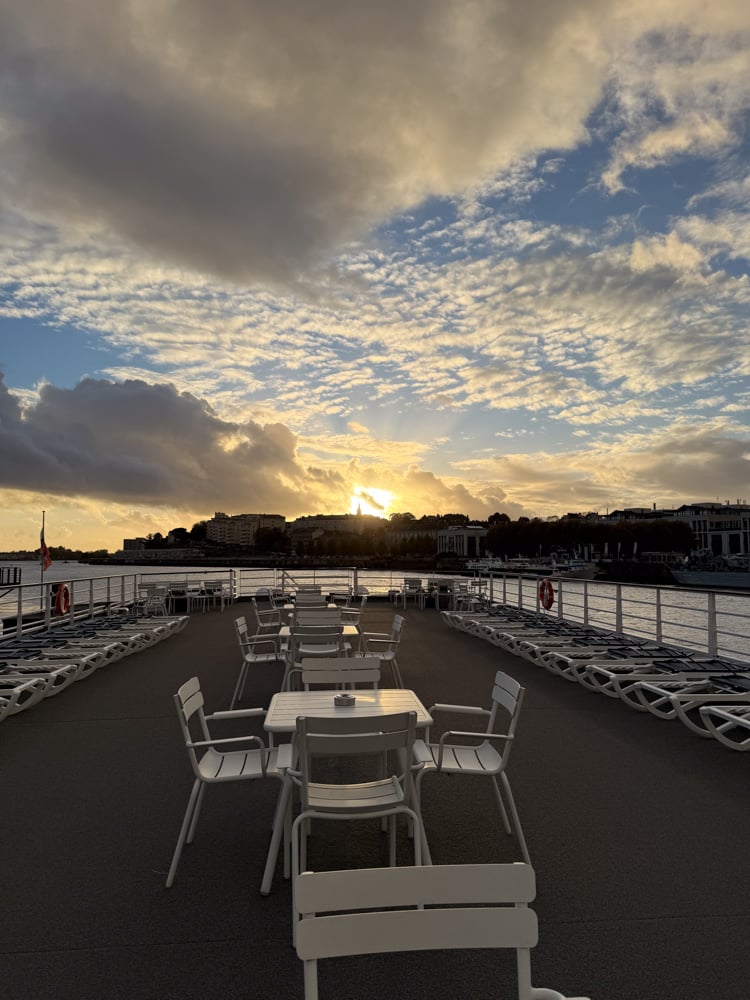
6. About The Word Luxury
One other thing worth noting, CroisiEurope markets this experience as luxury, and I do not think that word fits. The line’s own origin story is that they made river cruising affordable at a time when it was a privilege for the wealthy, and that value positioning is still what the product actually is. A 160 square foot cabin, one dining seating, and one lounge is a perfectly reasonable value proposition. It is not luxury, and calling it luxury I think sets up an expectation the ship cannot meet.
What I Would Genuinely Go Back For
Now some of the positive, because there were some good things too. The excursions brought us to some beautiful places (it is the Loire Valley, after all). And a few things surprised me about the ship too.
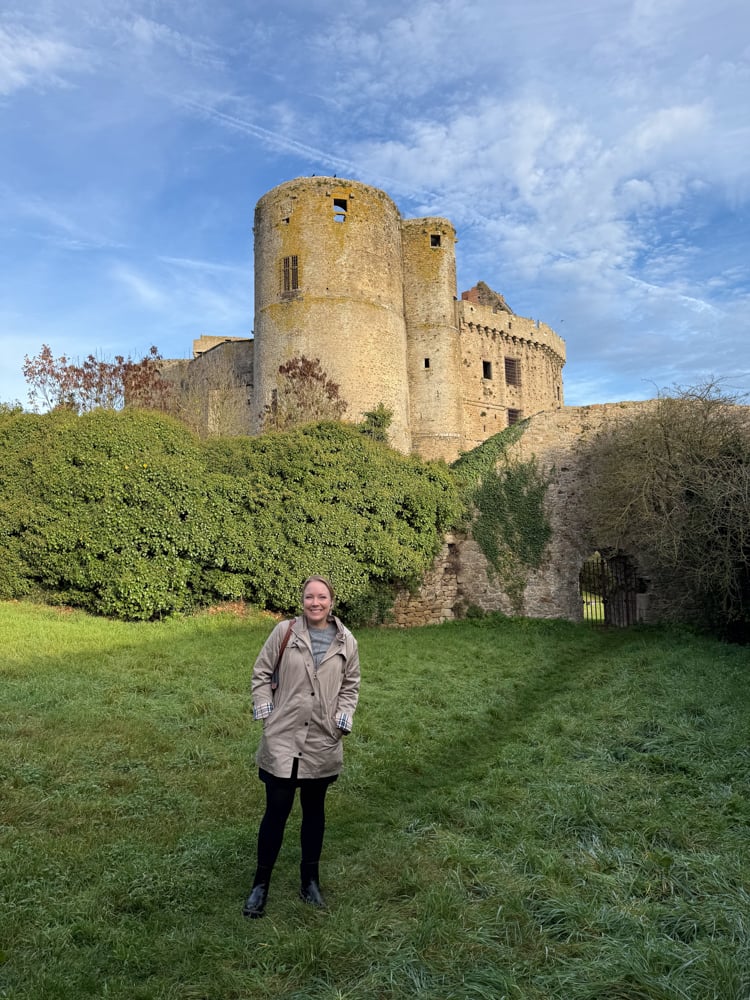
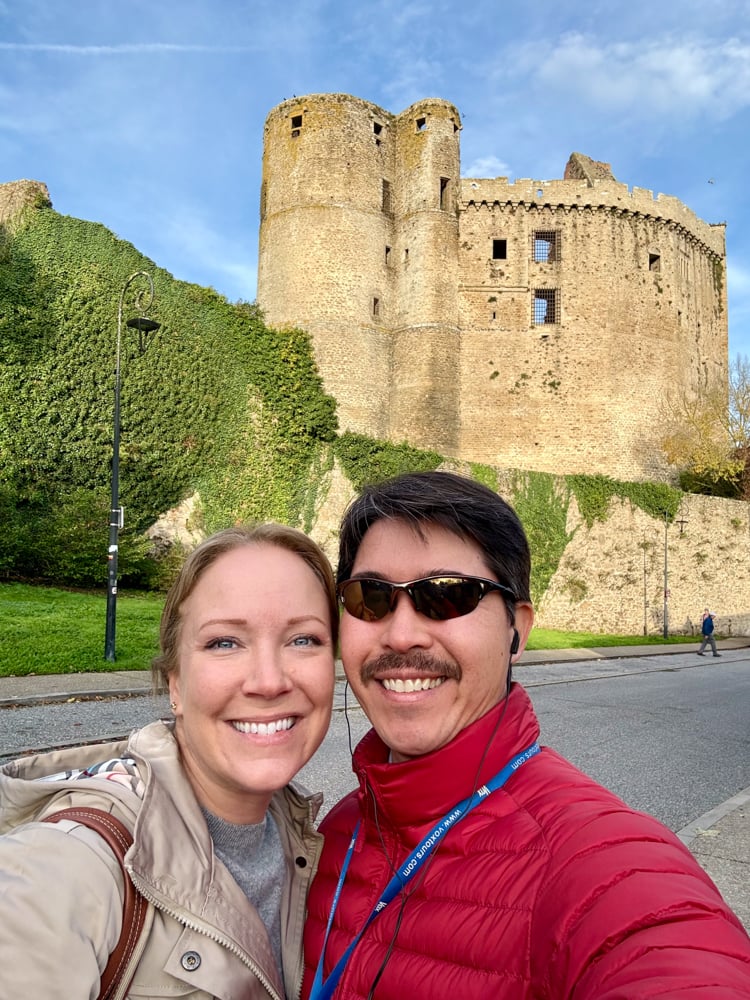
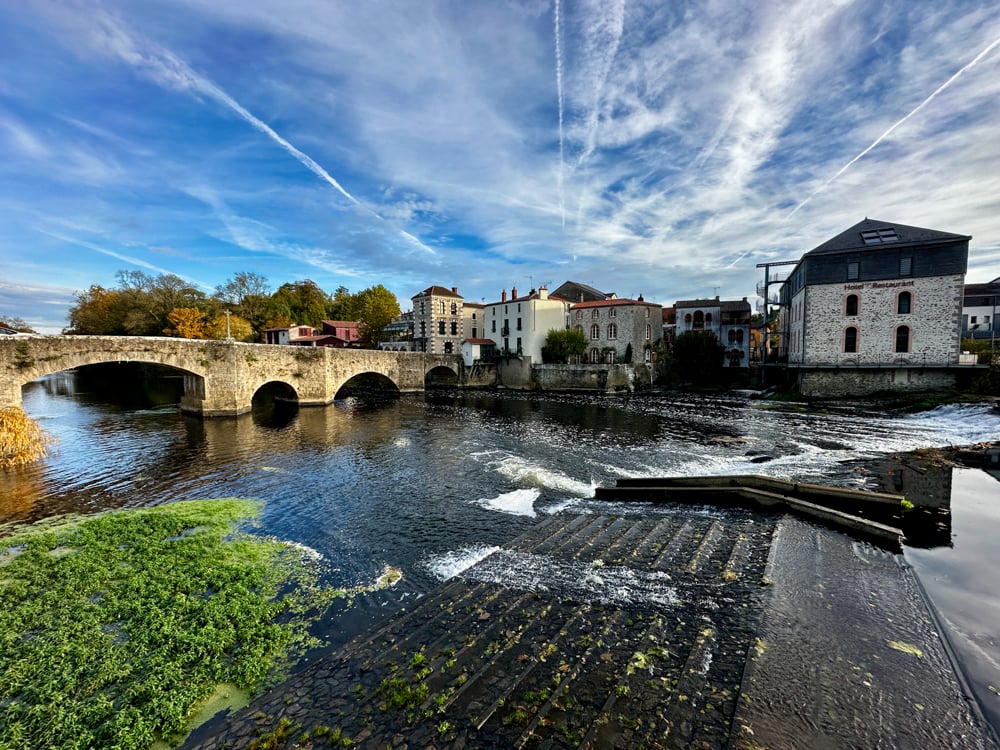
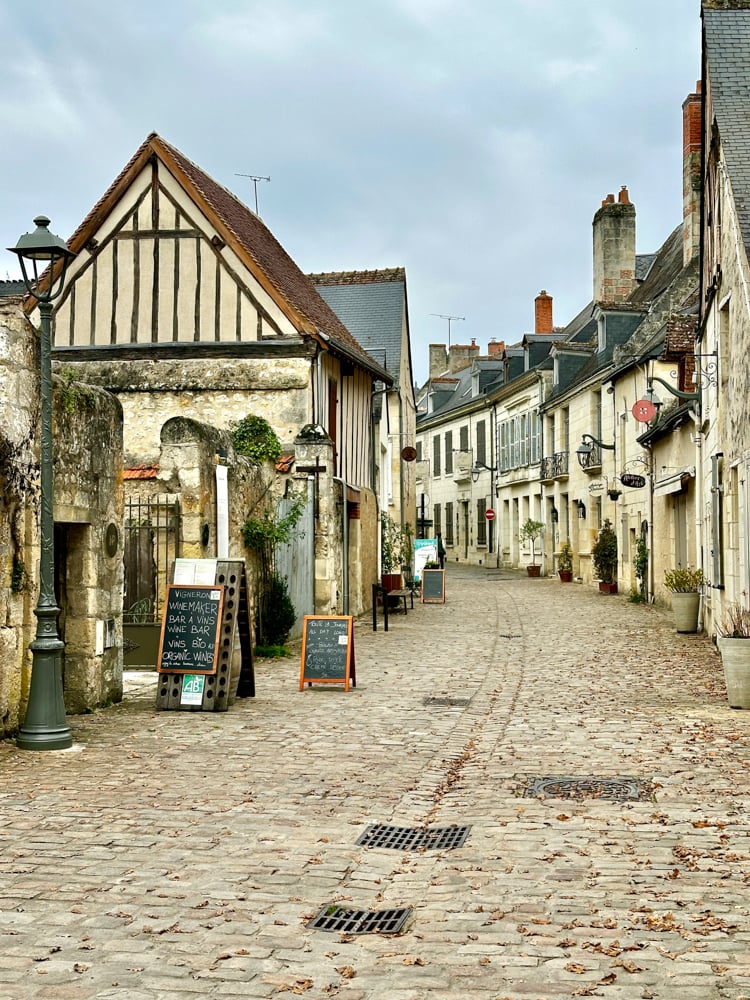
Clisson: One of our excursions was visiting Clisson, a medieval village on the Muscadet wine route south of Nantes. And it was completely charming. My only complaint is that the tour felt rushed and we were given no free time at all. Most river cruise lines build a free hour or more into a stop like this so you can wander, find a café, buy something. Here we saw it on a tight schedule and got back on the bus. I wished we had more time in this town.

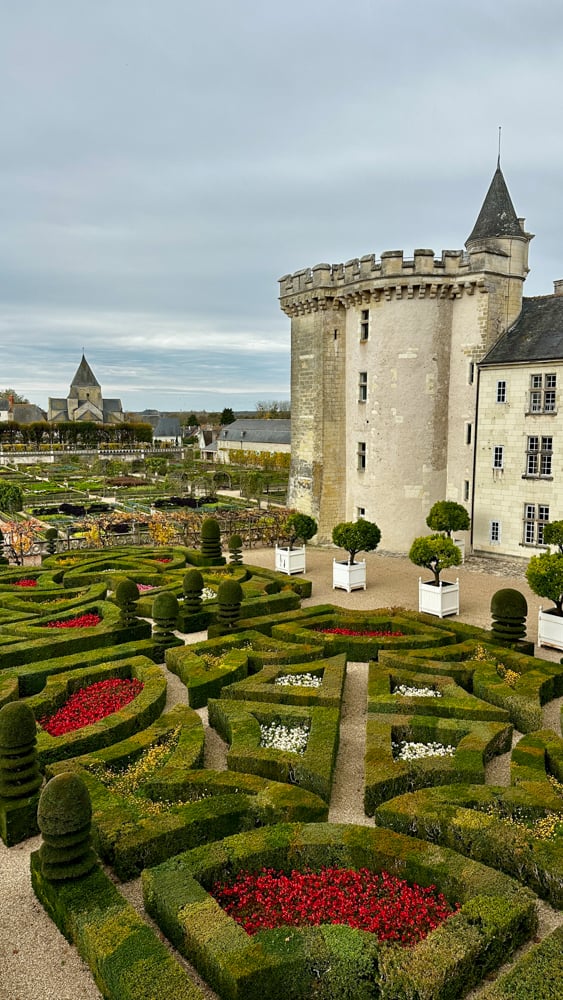
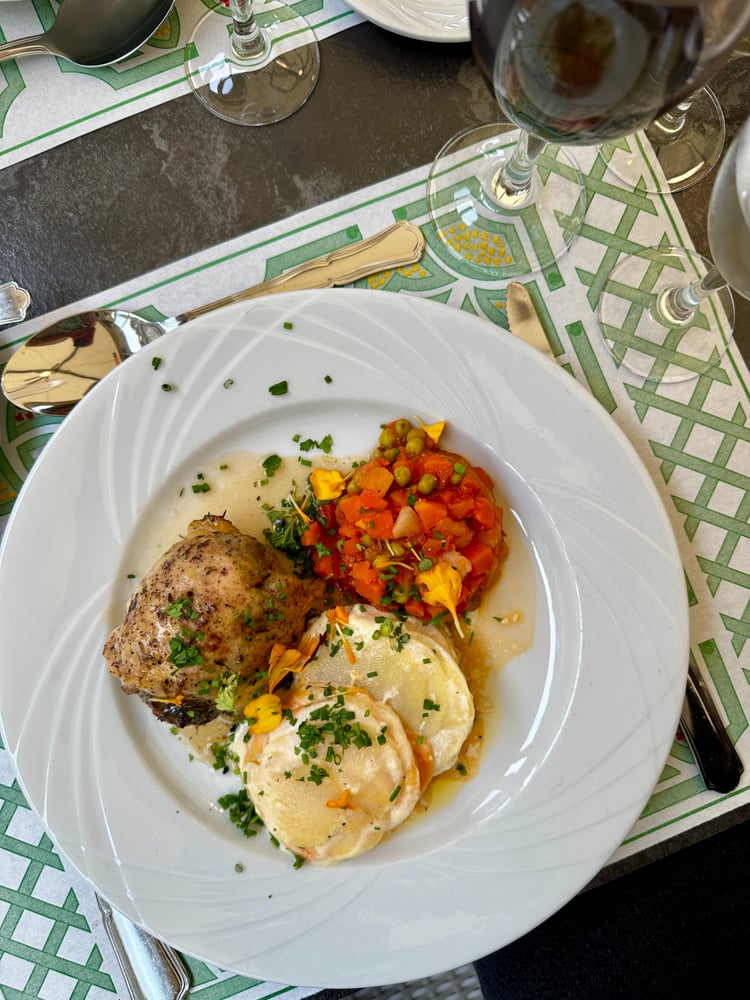
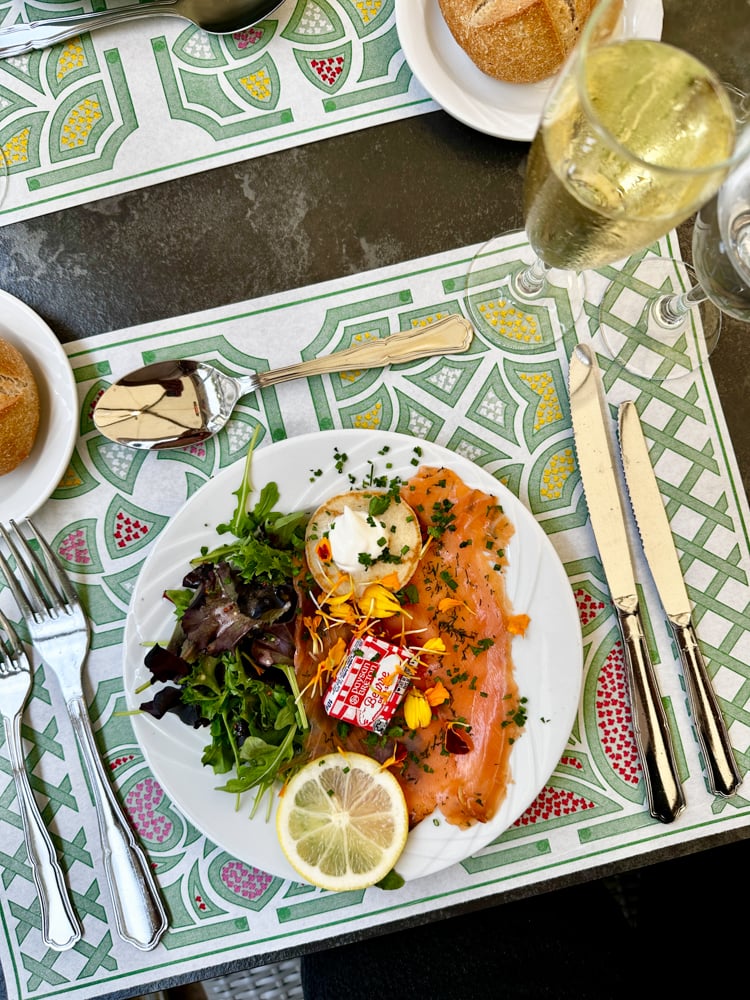
Villandry: This excursion stayed with me in a sensory way. Woodsmoke in the air, a light pattering of rain, the smell of parsley in the kitchen garden laid out in patterns that are somehow both agricultural and architectural. Villandry is among the most visited châteaux in the Loire Valley, and it is on the itinerary of many tours. But we got lucky as it didn’t feel crowded while we were there, and visiting in November almost certainly had something to do with that. We also had lunch on site, which was lovely and gave the whole visit a much less rushed feeling than Clisson. Villandry alone justifies a trip to the Loire Valley.


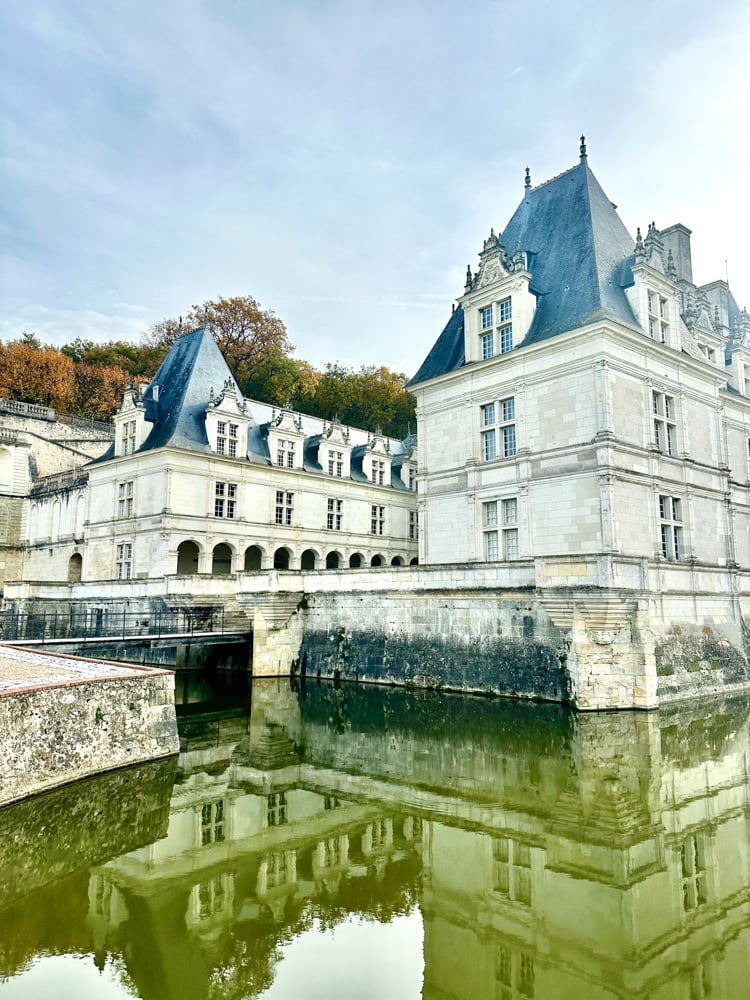
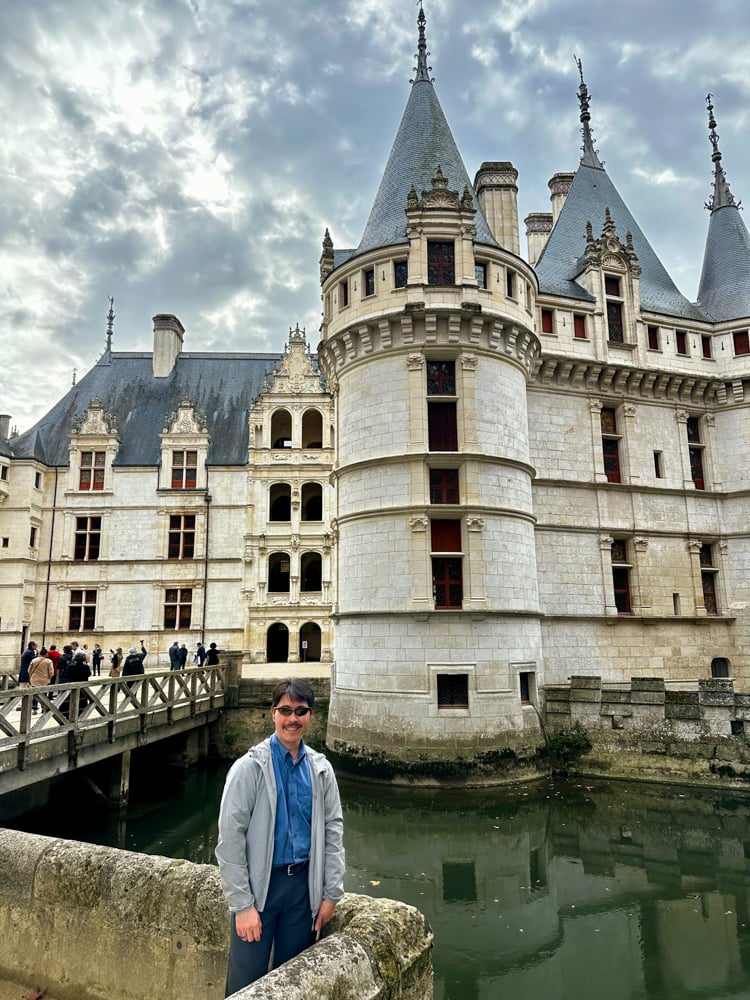
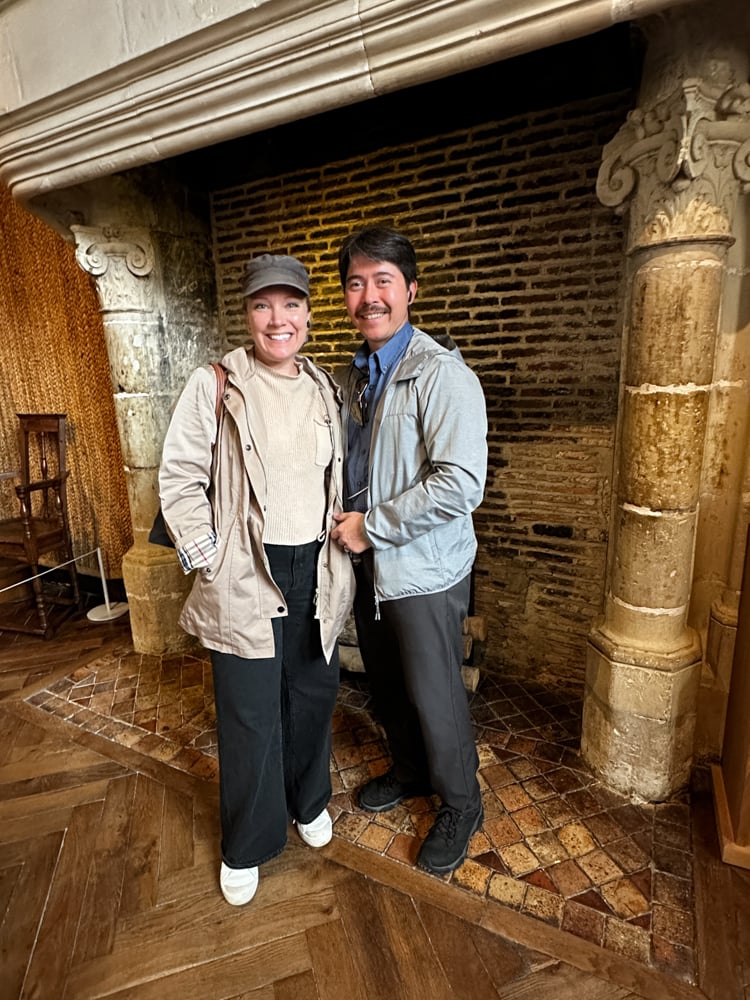
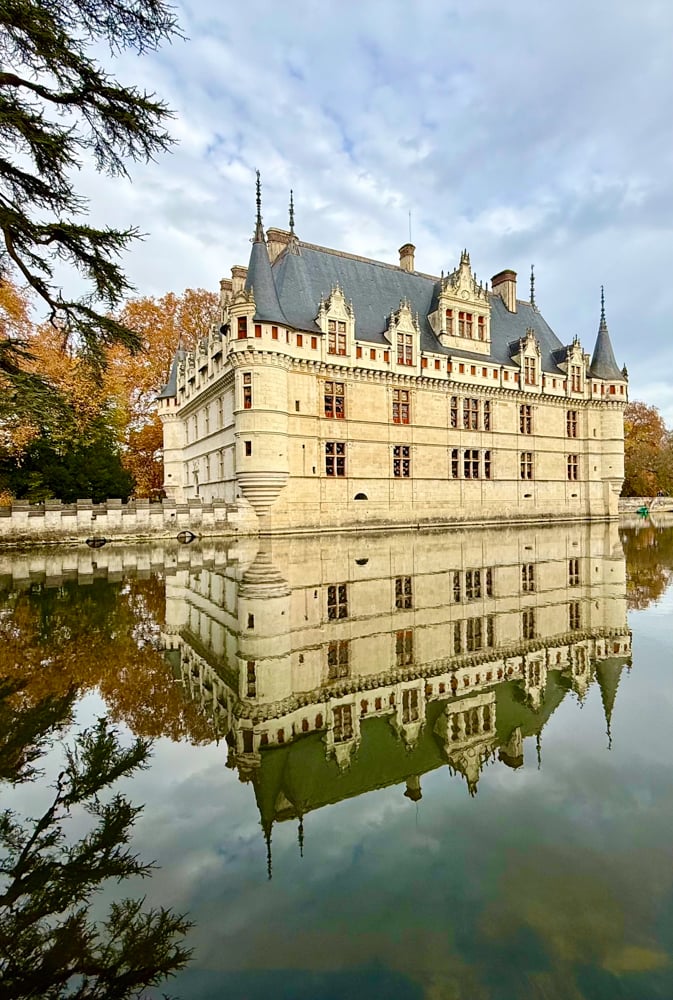
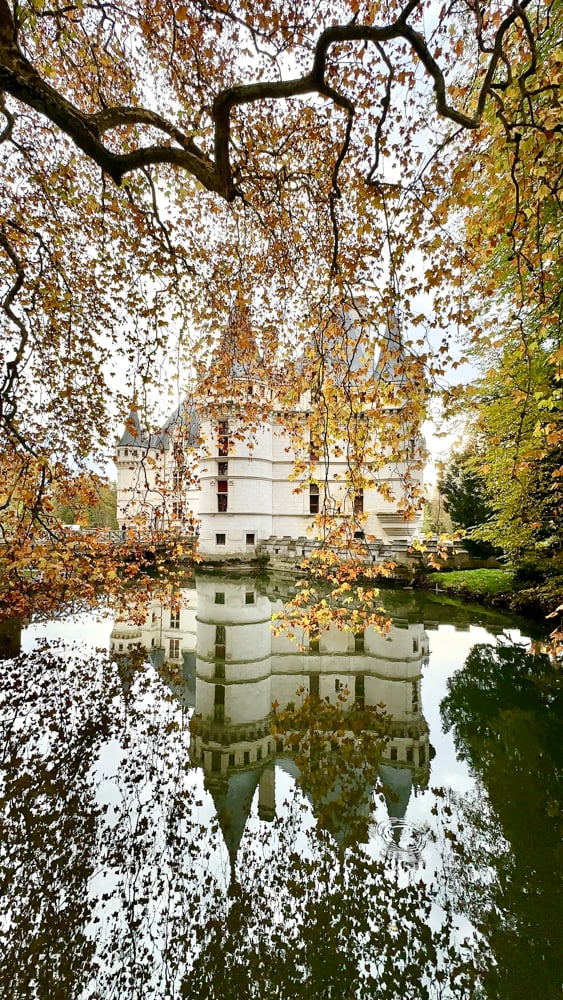
Château d’Azay-le-Rideau: This is the fairytale castle you picture when you imagine the Loire Valley. Pale stone and turrets, built on its own island so it looks like it is floating in a reflection. What I did not expect was the story behind it. No king built this one. It was built by François I’s treasurer-general, who was accused of embezzlement and fled in 1528 before it was finished (the drama!), and the construction was largely directed by his wife, Philippe Lesbahy. That includes the grand straight staircase, which was my favorite thing inside. The kitchen was the other one. This excursion had the same frustration as Clisson though. We saw the château and none of the village around it, which is the cost of arriving by bus on a tight schedule.
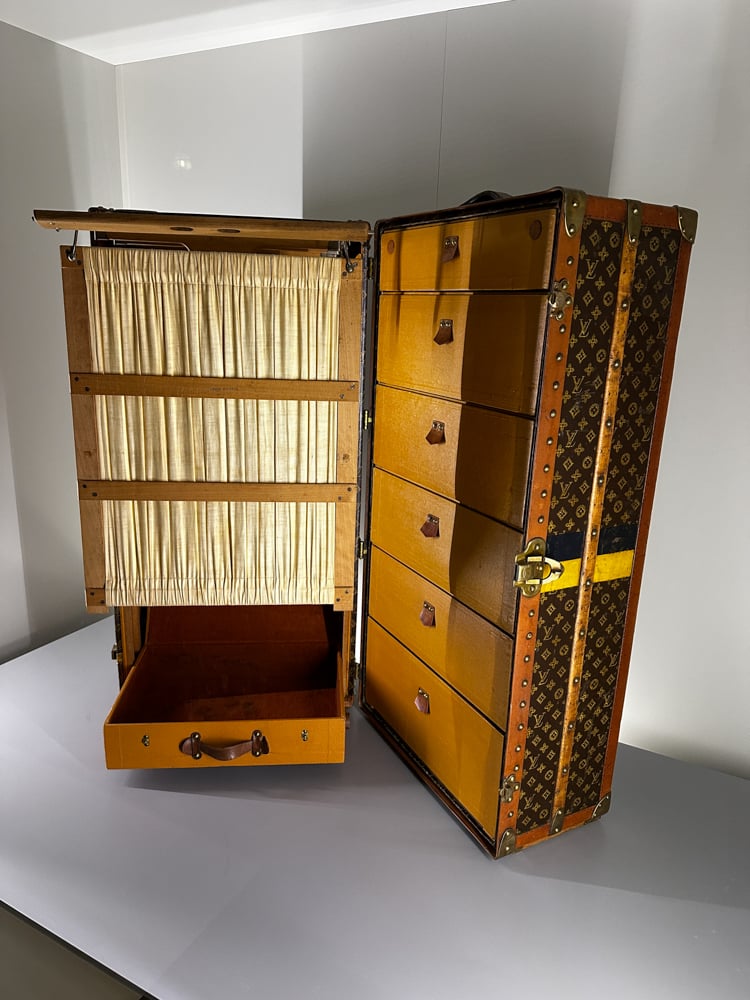
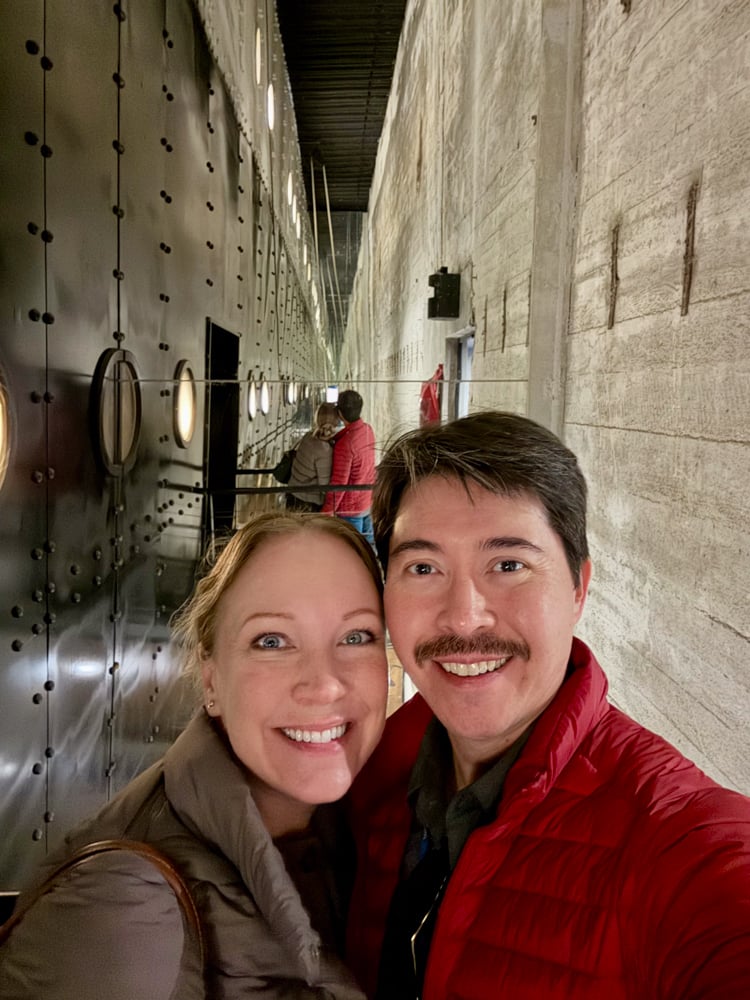
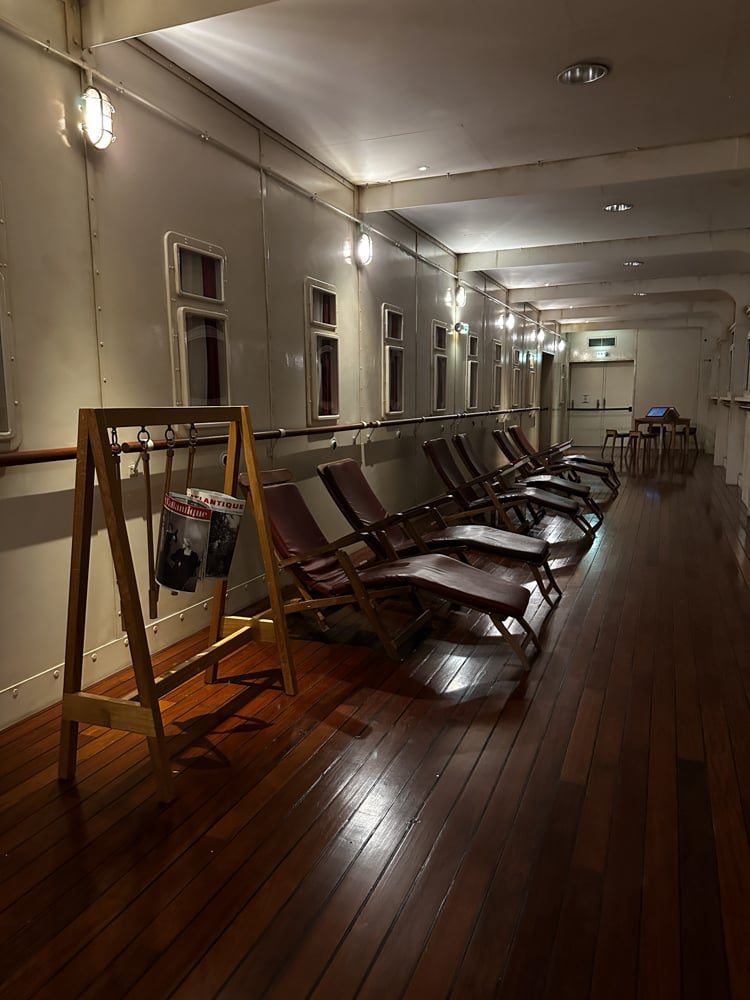
Sailing to Saint-Nazaire. This was the one real sailing of the trip, out toward where the Loire meets the Atlantic, past the shipyard where this ship was built in Saint-Nazaire. Watching the paddle wheels work is a genuine novelty. And the morning ashore was fun. Along with the shipyard, there is a museum called Escal’Atlantic, built inside a former submarine base from the war, that recreates the golden age of the transatlantic ocean liners. You walk through recreations of staterooms, lounges, and engine rooms from ships like the Normandie, built right there in Saint-Nazaire. Doing that while your own ship sits docked outside is neat, and it gave me a whole new appreciation for how much of what we take for granted for tourism at sea was worked out on those initial crossings.
The beds. I did not expect to be writing this, but the beds on the Loire Princesse were dreamily comfortable. More comfortable than the beds on our most recent sailing with a major, much more expensive line, where the mattresses felt stiff. We did not have much room, but we slept extremely well, and after a six hour bus day that counted for something.
What is included, and what is not. Credit where it is due on the fare structure. All meals, drinks with meals and at the bar, free Wi-Fi, excursion headsets, and port fees are included, which is a real all-inclusive setup at a price below the premium lines. The excursions are the exception, and this is the thing I most want you to catch before you book. Only one excursion is included in the base fare, and everything else is an optional add-on you pay for separately, including the Saint-Nazaire shipyard tour and the Muscadet wine route and Clisson excursion. Price those in before you compare this fare against anyone else’s.
My Honest Assessment: I Would Do the Loire as a Road Trip
Here’s what I think after this river cruise. The shallow, unpredictable Loire is the reason this ship is remarkable, and it is also the reason the cruise does not work the way a river cruise is supposed to work. Those two facts are the same fact. CroisiEurope built a ship for a river that fundamentally can’t be sailed on a schedule, and when the water is not cooperating (which happens often on the Loire), what you have booked quietly turns into a tiny riverfront hotel in Nantes with long bus days attached.
If that is what the trip is going to be, I personally would rather choose the hotel myself. Nantes has beautiful places to stay and it is a wonderful base for exploring the region. Rent a car, drive the Loire Valley at your own pace, spend an unhurried afternoon in Clisson, arrive at Villandry when the light is good, stay overnight in a village near Azay-le-Rideau. You would see more, spend less time on a motorcoach, and keep the flexibility that a fixed dining time on a ship docked three hours away takes away from you.
There is one exception. If sailing the Loire is itself the point, if the idea of being on the only paddle wheeler in the world working the last wild river in France genuinely excites you, then this is your only way to do it and you should go. Just understand clearly what you are buying: a short, value-priced sailing on a small older-feeling ship, where the itinerary may change on you and the châteaux come by bus.
And if what you actually want is classic river cruising, the kind where you wake up somewhere new with the town right outside your window, put the Loire aside for now. The Rhine, the Danube, the Douro, and the Rhône all deliver that, on ships and with lines built specifically to.
My honest CroisiEurope Loire river cruise review comes down to this: the ship is a genuine feat of engineering, the châteaux are worth every mile, the beds are more comfortable than expected, and I still would not book it again. Not because anything went badly wrong, but because we spent a week docked in one city being driven to the places the pictures in the brochure promised we would sail to. That is a road trip with a cruise cabin as a hotel, and there are better ways to do both.