
If you’ve spent any time researching river cruises, you’ve probably run into a phrase that sounds a little ominous: water levels. Maybe you saw it in a travel thread, or in a headline about a bad summer drought. And if you look closely, you’ll definitely see it buried in a cruise line’s terms and conditions. And your first thought was probably the same one I had: wait, could the water change my whole trip?
The short answer is yes, it can, though far less often than those headlines make it feel. River cruise water levels are one of the few parts of this kind of travel that nobody fully controls, and when a river runs too high or too low, your itinerary sometimes has to bend around it. So let me walk you through why river cruises get rerouted, which rivers it tends to happen on, and what it might look like if it happens to you. Once you understand it, it’s a lot less scary than the headlines suggest.
How River Cruise Water Levels Cause Reroutes
A river cruise depends on something an ocean cruise never has to think about: the depth of the water underneath the ship and the clearance above it. Rivers rise and fall with the weather, and when they swing too far in either direction, a ship has to plan around tricky navigation. There are two versions of this, and they’re opposites.
Too little water
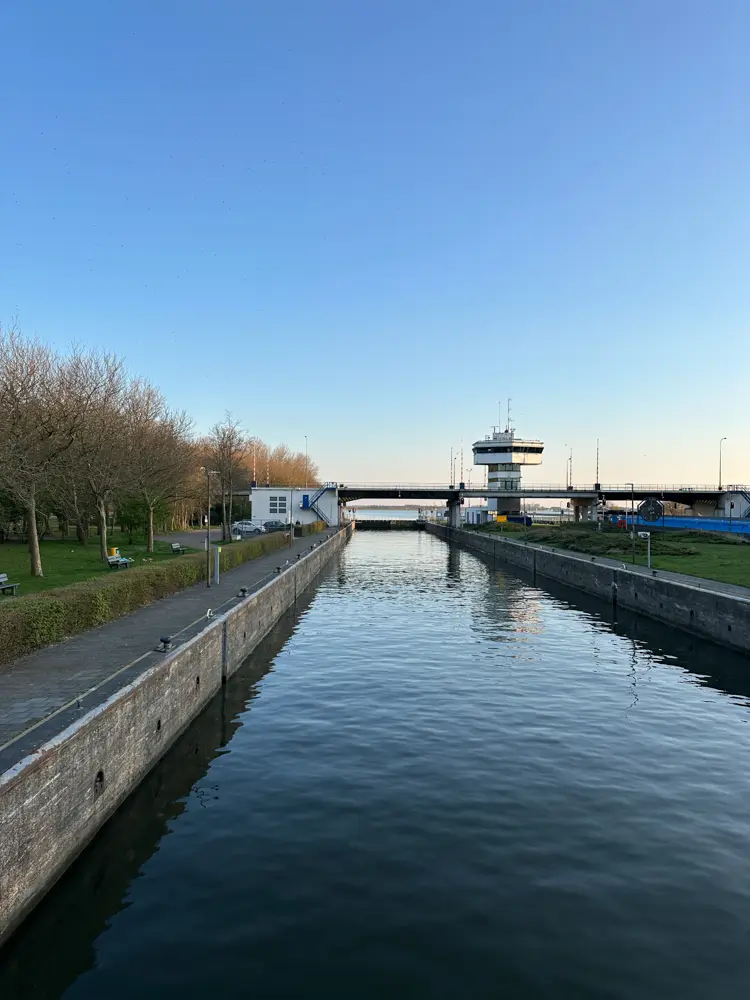
This is the one you hear about most, especially in a hot, dry summer. When a drought settles in or the heat drags on for weeks, the river drops, and eventually there isn’t enough depth to carry a ship through certain shallow stretches without it running aground. Some parts of these rivers have hidden rocks and sandbanks that sit safely below a ship in normal conditions and turn into a real hazard when the water’s low. So the ship either slows right down to pick its way through, or it can’t get through that stretch at all.
Too much water
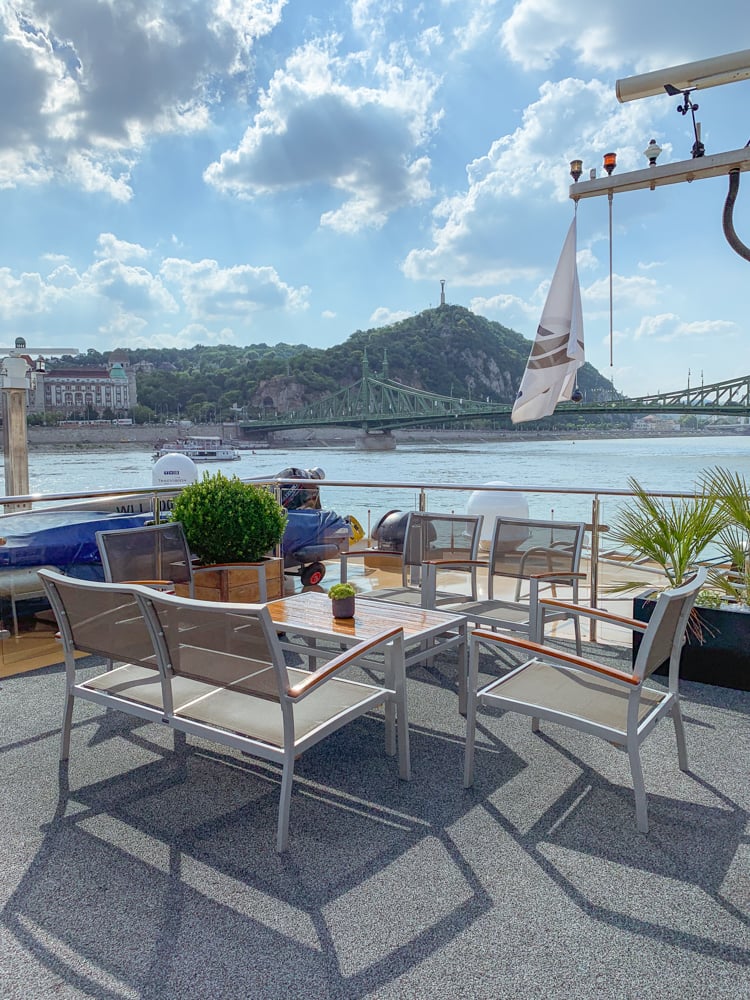
The opposite problem is just as real, and it usually shows up in early spring. Heavy rain and snowmelt pouring off the Alps can send a river surging upward, and when it rises high enough, the ship can no longer fit under the bridges. River cruise ships are built low and flat for exactly this reason, and the railings and canopies on the top deck are designed to be adjustable so they can sail under a bridge, but there’s a limit. A bridge that’s an easy pass in September can be an impossible one after a really wet spring.
What Happens If Your Cruise Is Affected
What surprises a lot of people is that even when the water doesn’t cooperate, the cruise usually still happens. The lines have had decades to get good at working around this, and they have a whole playbook for it. If your sailing is affected, it’ll usually be one of these:
The ship swap. This is the most common fix. You get bused around the stretch the ship can’t sail, and you board a sister ship waiting for you on the other side. It sounds disruptive, but it’s smoother than you’d think. Your luggage is moved to a matching cabin for you, usually while you’re off on an excursion, so you come back to your things already in your new room. The catch is that only lines with bigger fleets running more than one ship in a region can pull this off.
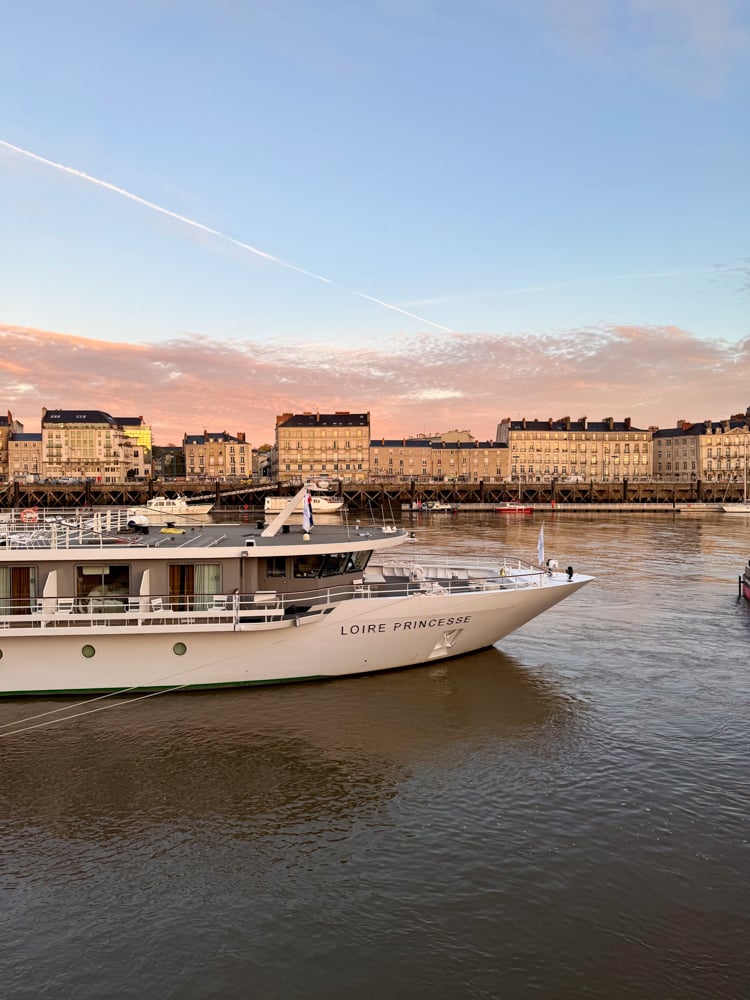
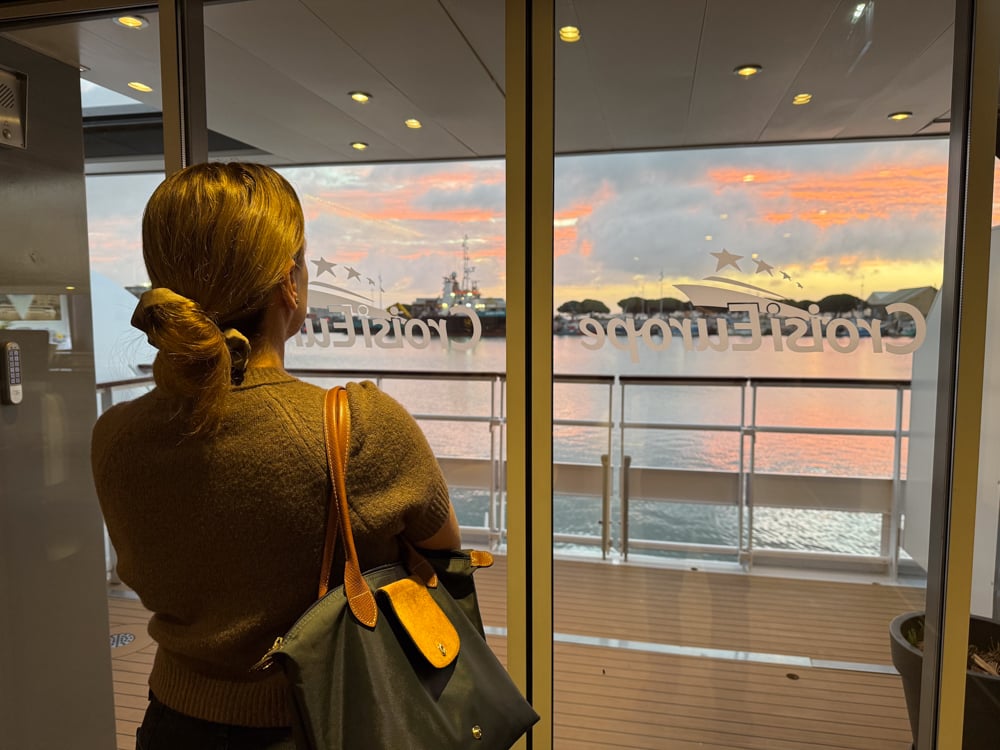
The bus day. Instead of sailing to the next town, you reach it by motorcoach. You still see the destination and do the excursions, you just get there by road for that leg instead of gliding up to it from the water. It’s the trade-off people grumble about most, since the scenic cruising is part of why you came, but you don’t lose the ports themselves. This happened to us on our Loire cruise with CroisiEurope.
A changed start or end point. Sometimes the fix is quieter than a mid-trip swap, and the line simply moves where you embark or disembark to a town the ship can actually reach. So it might be a slightly changed itinerary.
The rare cancellation. Once in a while, if an entire route becomes impassable, a sailing gets cancelled outright or reshaped into something fairly different. This is the least common outcome, and it’s the one lines work hardest to avoid.
One thing worth knowing before you book: when water levels change your itinerary, you’re often not owed a refund. Most cruise contracts include a change-of-itinerary clause, which means the line can adjust the trip without triggering your money back. Some will offer a goodwill gesture, like onboard credit or the option to rebook, but don’t count on it as a guarantee. This is also where travel insurance gets tricky, since a lot of standard policies don’t treat a water-level reroute as a covered cancellation. Read your policy closely before you assume you’re protected, and if coverage for this specifically matters to you, ask about it directly rather than guessing. I’m not an insurance advisor, so treat this as a nudge to check the fine print, not the final word on your particular policy.
Which Rivers Are Most, and Least, Affected
Not every river carries the same risk, and it’s really useful to know which is which when you’re choosing where to sail. Here’s the rough hierarchy, keeping in mind that no river is ever completely immune.
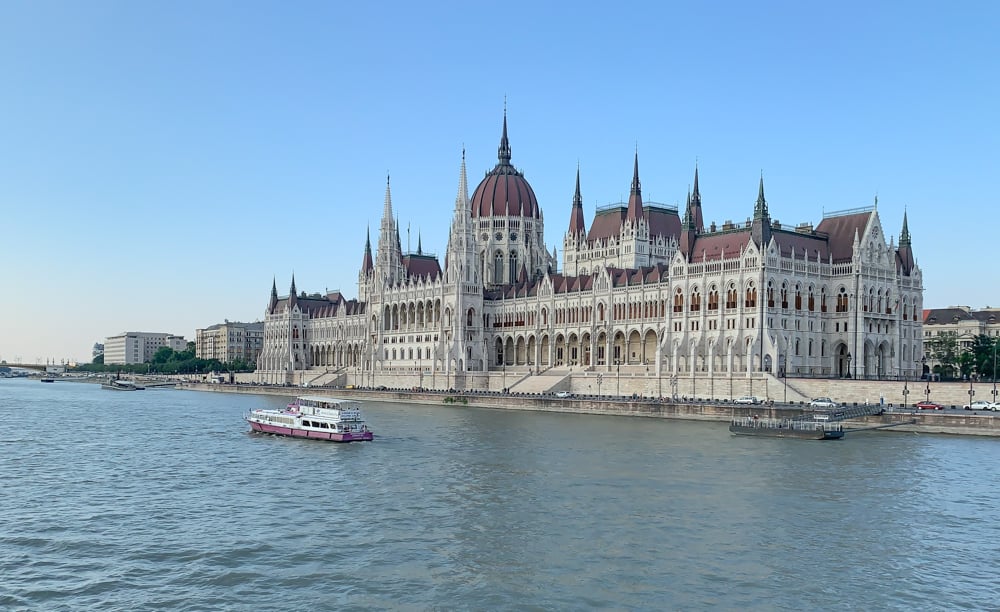
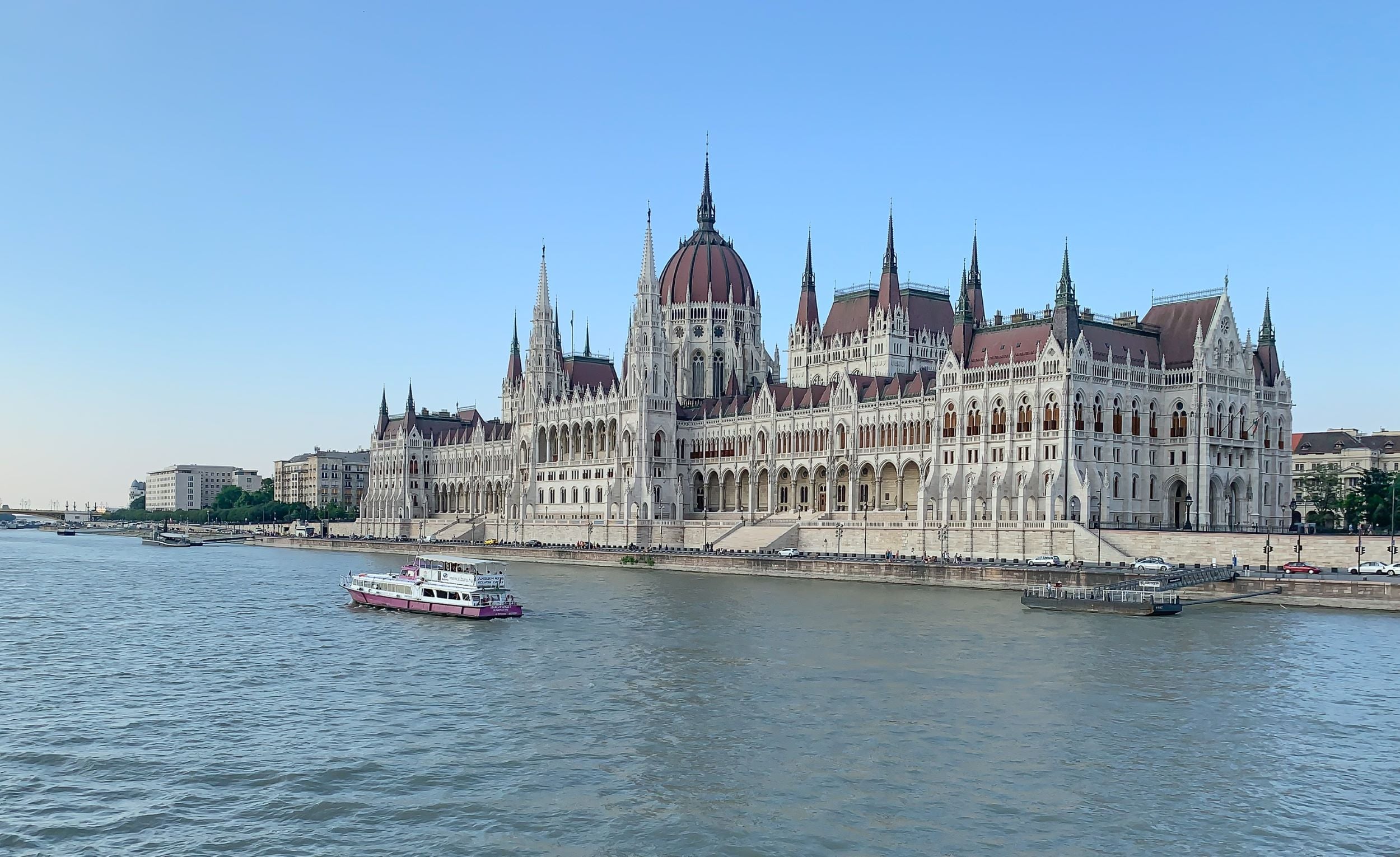
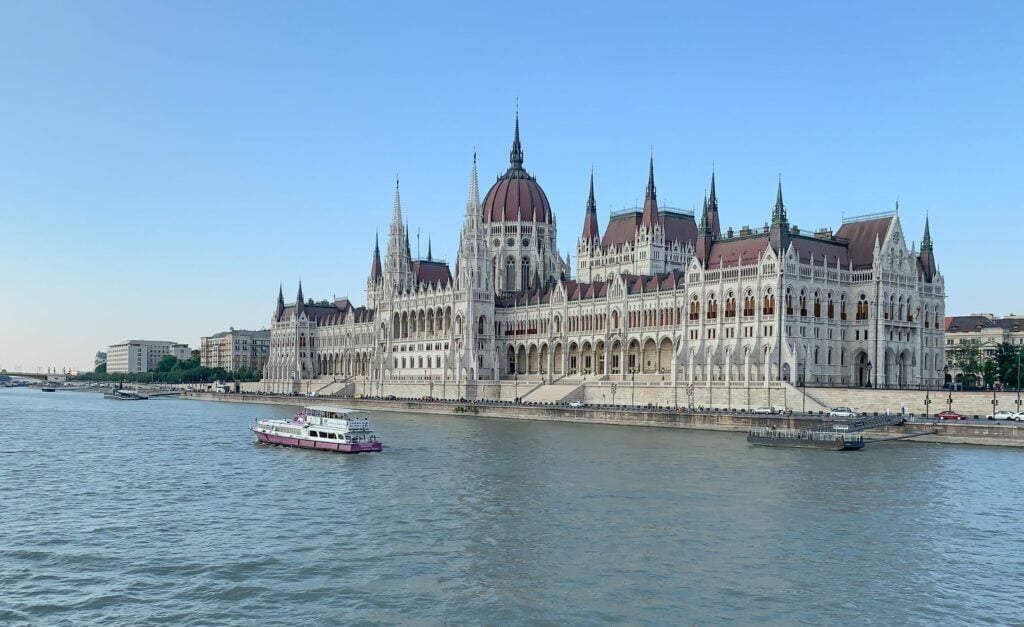
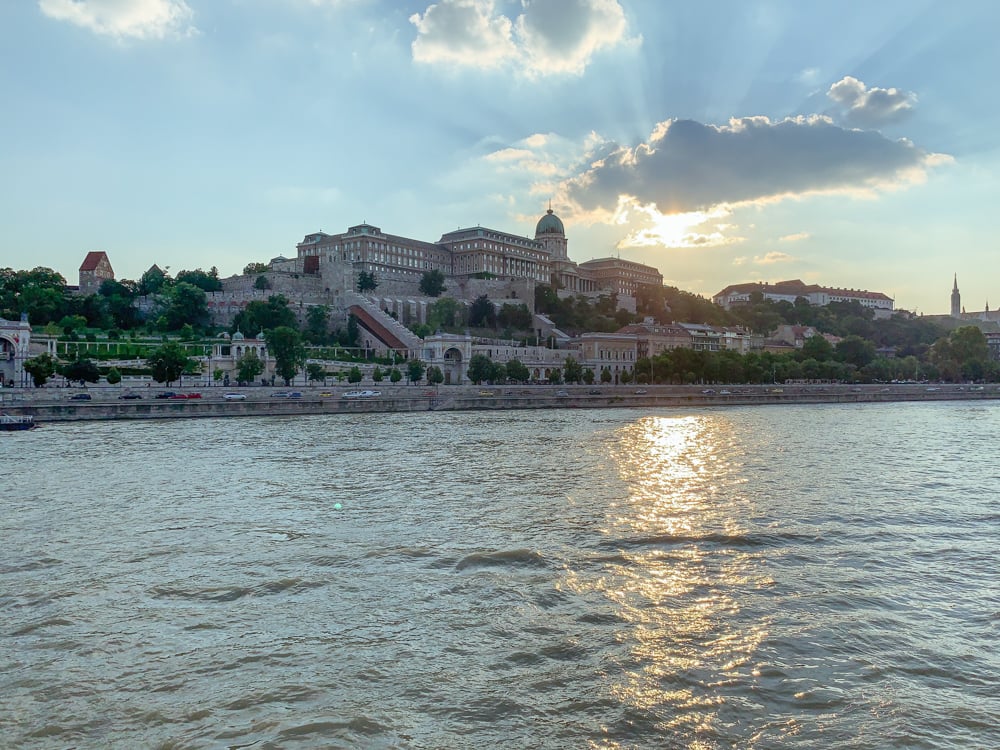
The Rhine and the Danube are the two most popular rivers, and also the two most likely to give you trouble. That’s not bad luck, it’s just geography. Both rivers have shallow, winding stretches that get problematic when the water’s low. On the Rhine it’s often the gorge around Kaub, and on the Danube it’s the stretch between Regensburg and Passau, plus when the levels drop enough in Budapest that can even close that port outright and send you into the city by bus.
The Elbe in Germany is in a category of its own. It’s so shallow and unpredictable that very few cruise lines sail it at all, and at least one line has tried it and backed out. The Elbe also rarely stands alone. It’s usually one smaller leg of a longer route that picks up other rivers and canals along the way. If you’re booking an Elbe cruise, go in expecting water levels to be part of the conversation, not a surprise.
The Rhône and the Seine in France are far more resilient. The Rhône draws on Lake Geneva and a network of managed reservoirs, which keeps its levels steady, and the Seine is a heavily managed river too. They can see the occasional high water after a wet autumn, but low water is rare on either.
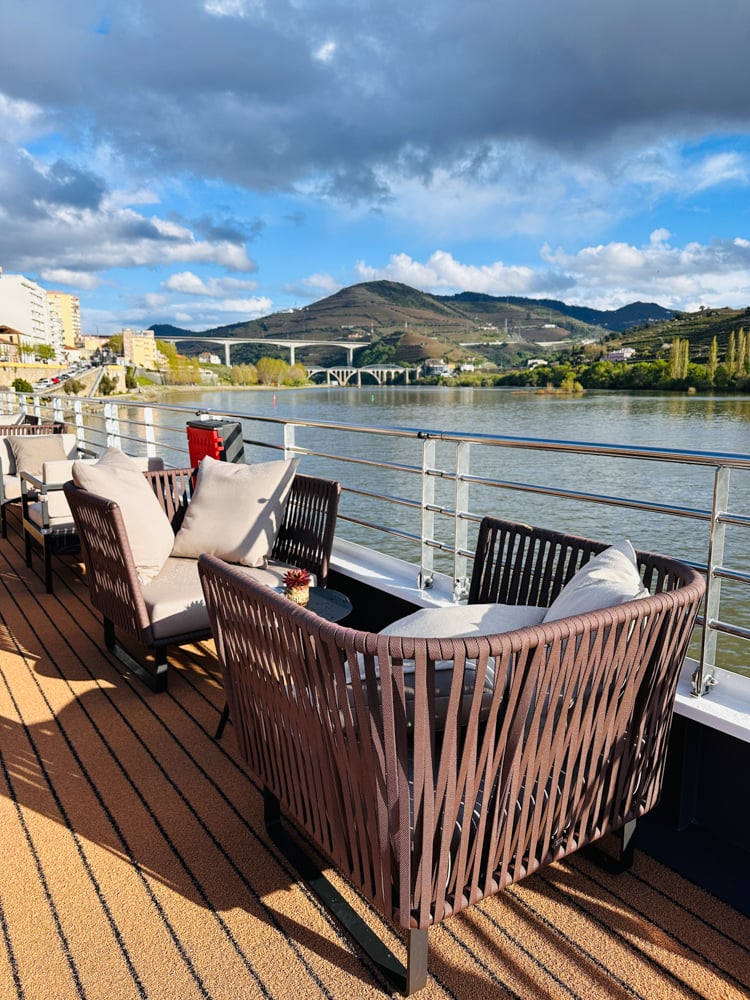
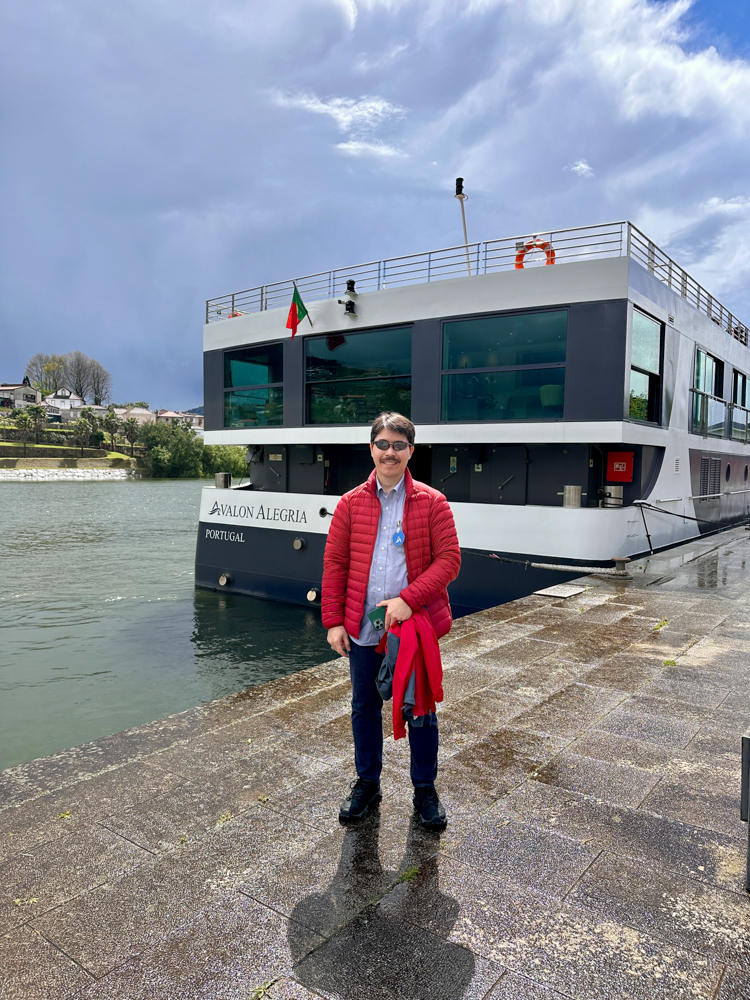
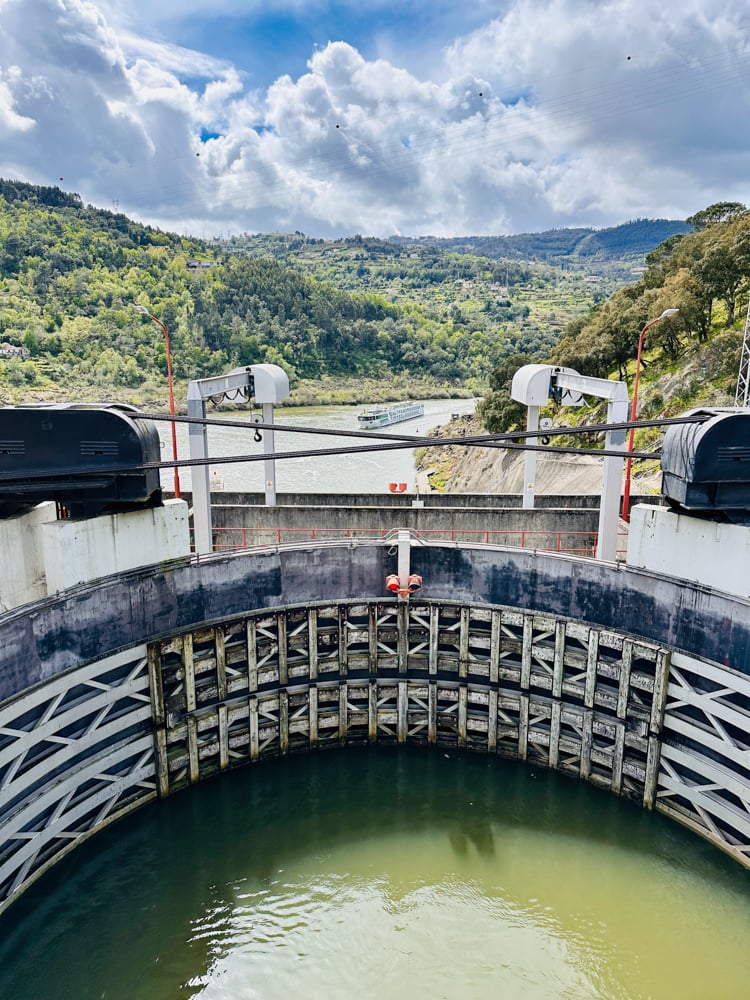
The Douro in Portugal handles dry spells well, thanks to a system of locks and dams that regulate its flow. It has a wild reputation from centuries ago, but the modern Douro river is one of the steadier ones to sail.
The Moselle and the Dutch and Belgian waterways round out the lower-risk group. None of these come with a guarantee, and this year proved it. The Dutch stretch of the Rhine hit record lows right along with everywhere else. But if a worry-free sail is high on your list, these are friendlier odds.
When It’s Most Likely to Happen
Water levels follow the seasons in a fairly predictable rhythm, even if the exact timing shifts year to year.
Spring, from late winter into early May, is high-water season. That’s when the snowmelt and the spring rains are at their peak, so if a trip gets affected in spring, it’s usually the bridges, not the depth, causing it.
Summer, roughly mid-June through September, is the low-water stretch. Long heat waves and dry spells pull the rivers down, and low water is when you’re most likely to hear about ship swaps and bus days, especially on the Rhine and the Elbe. Some summers are much worse than others. This year in particular has brought a severe European drought, with parts of the Danube dropping to levels not seen in decades, so 2026 has been an unusually disruptive one. A milder summer might pass with almost no issues at all.
Autumn tends to be the most stable time to sail, which is one more reason I love the shoulder season on most rivers. The main caveat is that a sudden heavy rain can occasionally bump up the Rhône or the Seine, but serious disruption in fall is the exception.
So should you worry about it?
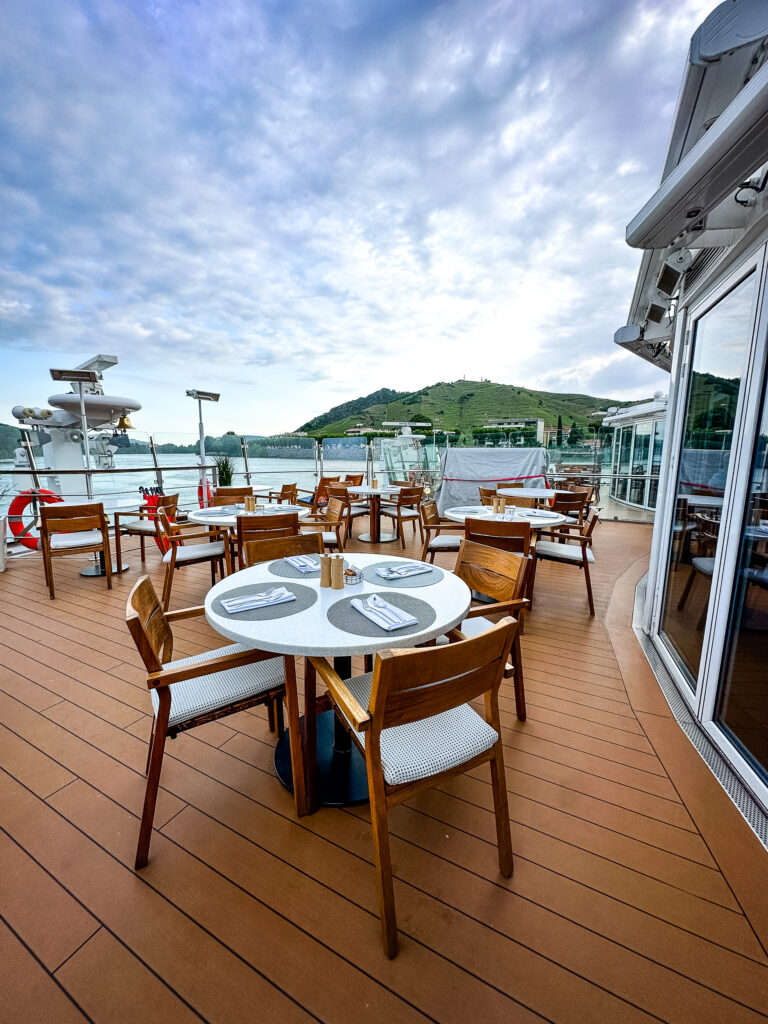
Not really. I’ve sailed the Rhine, the Danube, the Douro, the Rhône, and the Dutch waterways, in spring, summer, and fall, and I’ve never had a sailing derailed by water levels. Not once! I’m knocking on wood as I type that, because it can absolutely happen. But it hasn’t happened to me (yet), and it doesn’t happen to most people.
It’s easy to read a scary headline and talk yourself out of a trip you’d love. Major disruptions are the exception, not the rule. Plenty of people sail for years without hitting a single serious one, and the cruise lines have every incentive to keep your trip moving. Still, going in informed beats going in surprised, so here’s how I’d think about it.
Pick your river with your tolerance in mind. If a smooth, uninterrupted sail matters more to you than anything else, lean toward the steadier ones. The Douro, the Rhône, the Seine. A peak-summer Rhine or an Elbe sailing is a bigger roll of the dice.
Pay attention to the cruise line, not just the itinerary. A line with a big fleet and solid land-tour experience has far more tools to keep you moving when the water misbehaves. It’s completely fair to ask an advisor how a particular line has handled disruptions before, too. How a company treats you when things go sideways tells you more than any brochure ever will. Would you rather still see the sites by bus? Or cancel the cruise outright and come back in another season?
My biggest tip is just to be flexible. The travelers who end up having a great vacation, even when the water doesn’t cooperate, are almost always the ones who decided ahead of time to just roll with it. A morning on a buss or a swapped ship might not be the trip you pictured. But it’s also rarely the disaster it looks like in a worried forum thread you might be scrolling at midnight. When it comes down to it, you’re still in Europe, you’re still eating well, and you’re still on a beautiful vacation where the cruise line is doing to take care of the logistics for you.